For homeowners in rural Pennsylvania, a private water well can be one of the most important investments on the property. It provides reliable access to water, reduces dependence on municipal systems, and supports homes, farms, and businesses where public water may not be available.
But one of the first questions most property owners ask is:
“How much does it cost to drill a water well?”
The answer depends on several factors, including depth, geology, equipment, permits, pump system needs, and water quality. This guide breaks down the major cost considerations so you can plan realistically before starting your project.
Well Depth Is One of the Biggest Cost Factors
The deeper the well, the more drilling time, casing, materials, and labor are required. In Pennsylvania, well depth can vary widely depending on local geology, water table conditions, elevation, and the amount of water your property needs.
A residential well may need to be drilled deeper if:
- Shallow groundwater is limited
- The property sits on difficult rock formations
- The water table is lower than expected
- Higher household or agricultural water demand is required
Because conditions vary from site to site, a professional evaluation is the best way to estimate depth and cost before drilling begins.
Soil and Rock Conditions Affect Drilling Difficulty
Pennsylvania’s subsurface conditions can change significantly from one property to the next. Some areas may have relatively straightforward drilling conditions, while others require drilling through dense bedrock, fractured rock, or challenging terrain.
Harder formations can increase costs because they may require:
- More drilling time
- Specialized equipment
- Additional casing or sealing
- More labor to complete the borehole properly
This is one reason local experience matters. A contractor familiar with Pennsylvania geology can help set realistic expectations before the project begins.
Permits, Regulations, and Local Requirements
Pennsylvania does not regulate private homeowner wells at the statewide DEP level, but local municipalities may have their own requirements, and well drillers must follow applicable licensing and reporting rules.
The PA DEP specifically notes that private water wells are not regulated by the state in the same way as public water systems, while Penn State Extension notes that drillers are required to complete well logs for wells in the state.
Before drilling begins, homeowners should check with their township or county to confirm:
- Local permit requirements
- Setback rules from septic systems, property lines, or structures
- Inspection requirements
- Any documentation needed after drilling
Working with an experienced drilling contractor helps prevent delays and ensures the project is handled properly from the start.
Pump, Tank, and System Components Add to the Total Cost
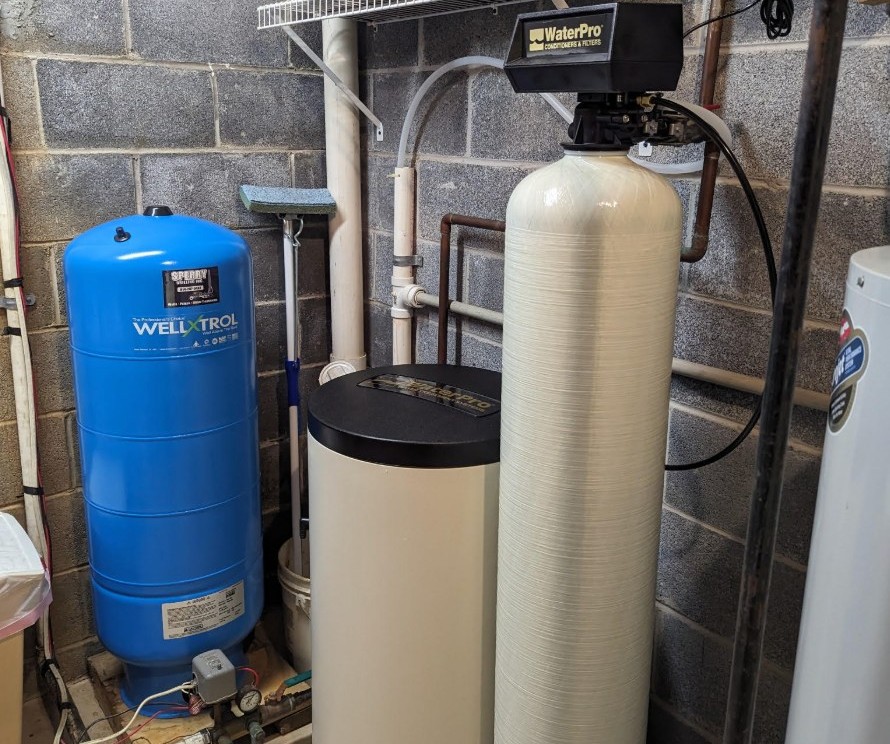
Drilling the well is only one part of the full system. Once water is reached, the property also needs properly-sized equipment to deliver water consistently.
Common system components include:
- Submersible well pump
- Water storage or pressure tank
- Electrical controls
- Pressure switch
- Piping and fittings
The final cost depends on well depth, water demand, pump size, and household usage. A properly sized pump and tank system helps prevent low pressure, short cycling, and premature equipment failure.
Water Testing and Treatment May Be Needed
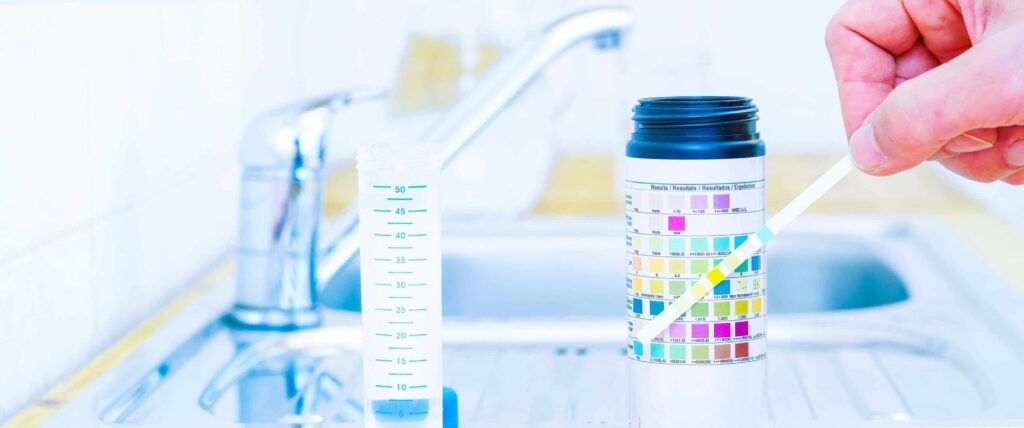
After drilling, water should be tested before regular use. Testing helps identify bacteria, nitrates, iron, sulfur, hardness, pH issues, and other concerns that may require treatment. Penn State Extension recommends that private well owners test regularly and understand what specific contaminants are being checked.
Depending on the results, your system may require:
- Iron or sulfur filtration
- Water softening
- UV purification
- Sediment filtration
- Whole-house treatment
While treatment adds to the overall investment, it protects your water quality, plumbing, appliances, and long-term system performance.
Site Access and Property Preparation Can Influence Cost
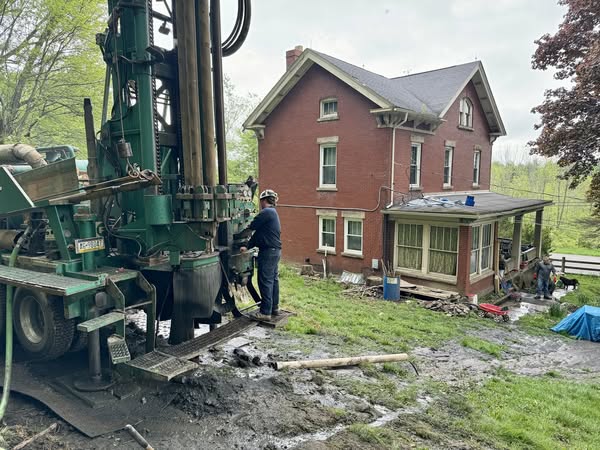
Drilling equipment needs safe access to the well location. If the site is difficult to reach, heavily wooded, steep, muddy, or obstructed by landscaping or structures, preparation may be required before drilling begins.
Homeowners can help reduce delays by:
- Clearing access paths
- Identifying septic systems and underground utilities
- Moving vehicles, fencing, or obstacles
- Discussing drainage and grading concerns in advance
A prepared site helps the drilling crew work efficiently and safely.
Plan Your Pennsylvania Well Drilling Project with Sperry Drilling
If you’re planning a new well, the best way to understand cost is to start with a professional site evaluation. At Sperry Drilling Inc., we bring more than 55 years of well drilling experience to projects across Pennsylvania, Maryland and West Virginia. Our team can help you understand drilling depth, system needs, water testing, and the factors that may affect your final investment.
Call (814) 267-3487 or contact us here to schedule a consultation and start planning your water well project with confidence.