One of the biggest advantages of a geothermal heating and cooling system is its exceptional longevity. While traditional HVAC systems may need replacement every 10-15 years, geothermal systems are known for their durability, efficiency and long-term performance.
But like any major home investment, geothermal systems still require proper maintenance to operate at peak efficiency. In this guide, we’ll explain how long geothermal systems typically last, what maintenance they require, and how homeowners can protect their investment for decades to come.
How Long Do Geothermal Systems Typically Last?
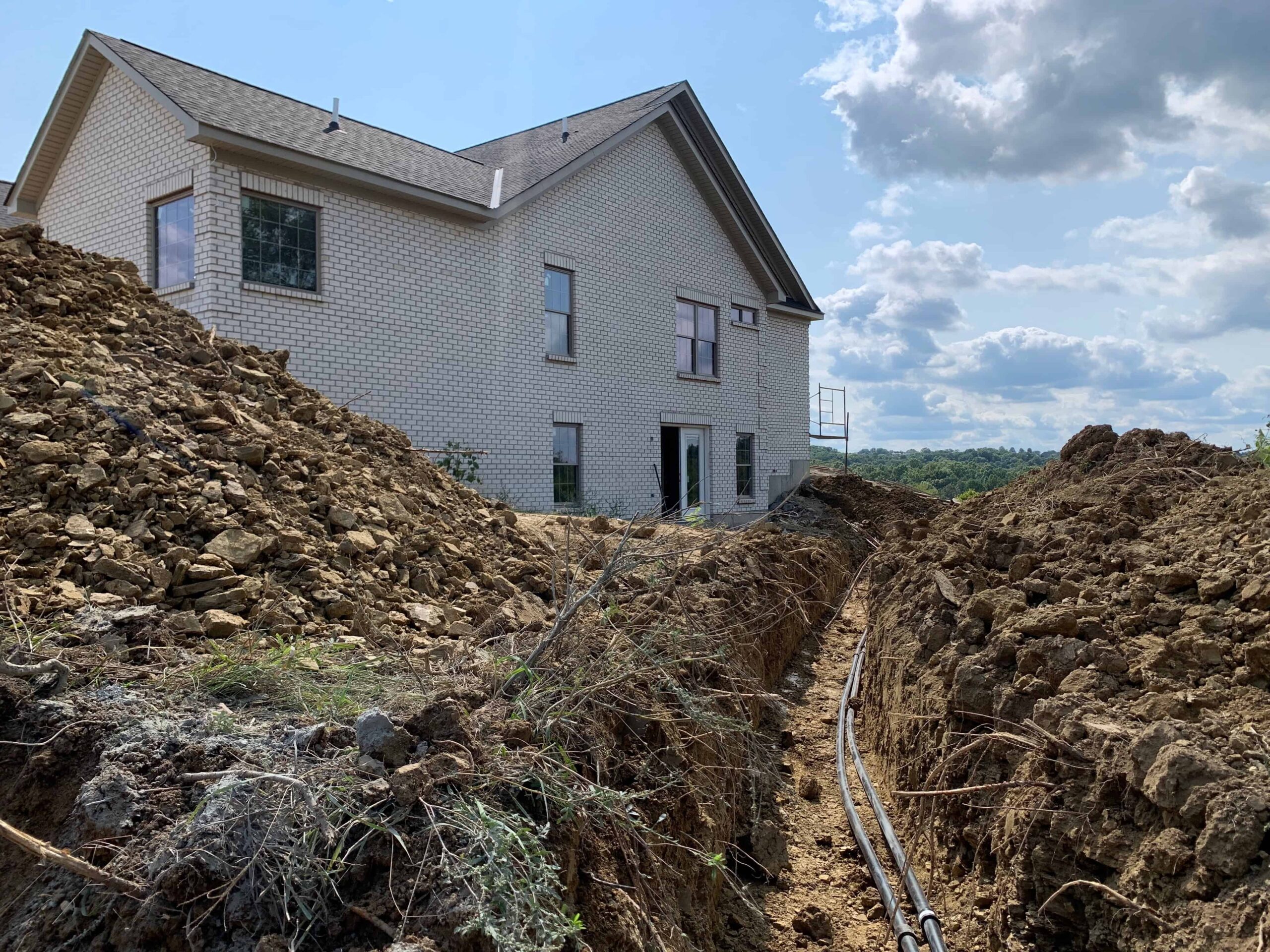
Geothermal systems are built with longevity in mind. Because much of the system is installed underground and protected from weather exposure, the components experience less wear and tear than conventional HVAC equipment.
Average lifespan expectations:
- Ground loop systems: 50+ years
- Indoor heat pump units: 20–25 years
- Circulation pumps and controls: 15–25 years
The underground loop is often the longest-lasting component and can continue functioning even after indoor equipment upgrades.
According to the U.S. Department of Energy, geothermal systems are among the most durable and energy-efficient heating and cooling options available.
Why Geothermal Systems Last Longer Than Traditional HVAC
Traditional HVAC systems rely on outdoor units that are exposed to:
- Rain and snow
- Temperature swings
- Dirt and debris
- UV exposure
Geothermal systems avoid many of these issues because:
- Loop systems are buried underground
- Indoor components operate in stable conditions
- Systems run more efficiently with less strain
This reduced exposure significantly extends system life.
Routine Maintenance Helps Maximize Performance
Although geothermal systems are low maintenance compared to conventional HVAC systems, regular inspections still matter.
Recommended maintenance includes:
- Checking fluid pressure and loop performance
- Inspecting pumps and electrical connections
- Cleaning or replacing air filters
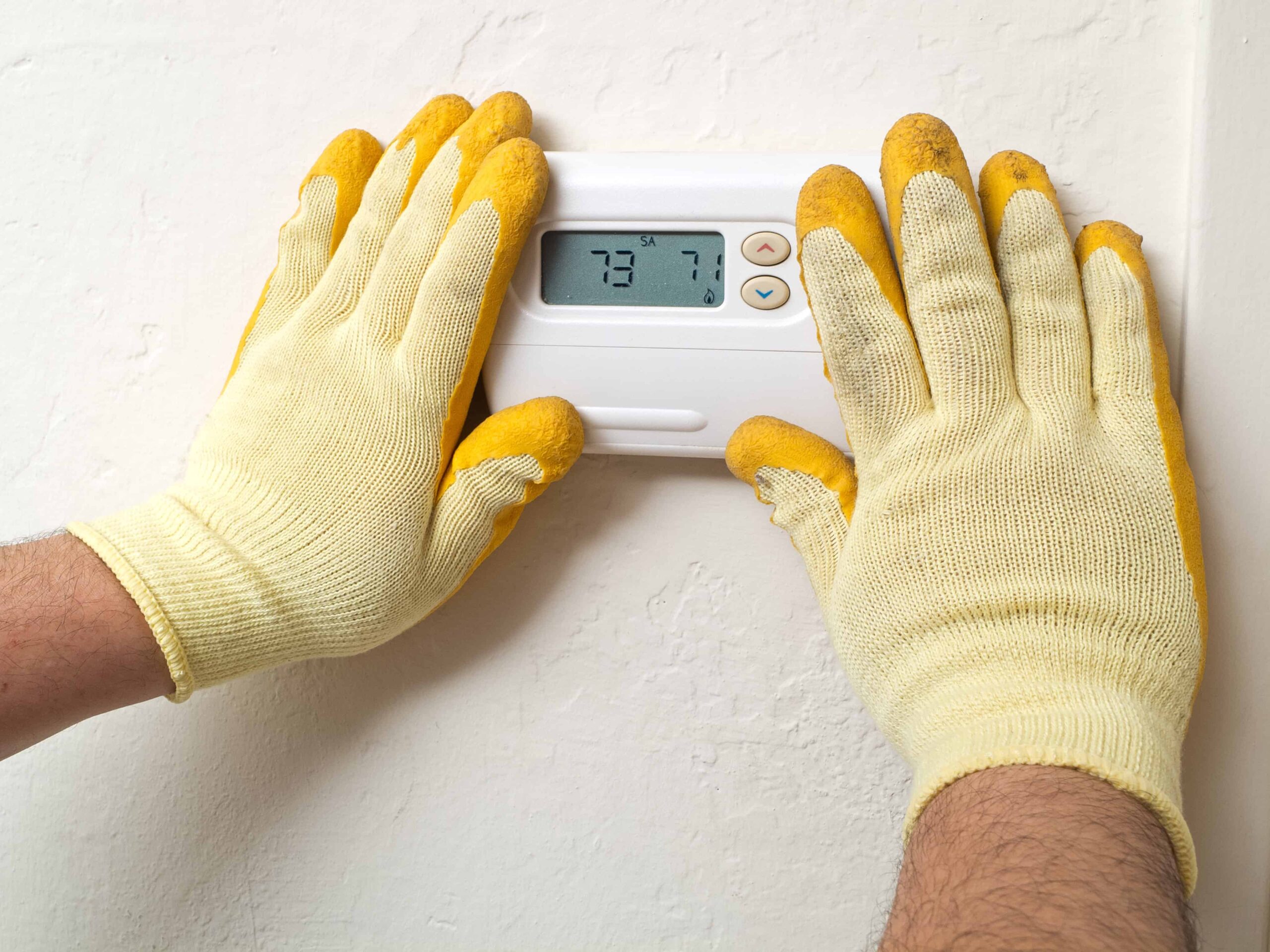
- Verifying thermostat calibration
- Monitoring energy efficiency trends
Most systems only require professional service once every 1-2 years, depending on usage and manufacturer recommendations.
Signs Your Geothermal System May Need Service
Even durable systems can develop issues over time. Contact a professional if you notice:
- Reduced heating or cooling efficiency
- Unexpected increases in utility bills
- Unusual noises from indoor components
- Inconsistent temperatures throughout the home
- System short cycling
Early diagnosis can prevent more expensive repairs later.
Protecting Your Geothermal Investment
Homeowners can extend system life by following a few simple best practices:
Keep records of inspections and maintenance
Tracking service history helps identify performance changes over time.
Change air filters regularly
Dirty filters reduce airflow and increase system strain.
Schedule periodic professional inspections
Routine checks ensure pumps, controls and loop pressures remain within specifications.
Avoid unnecessary landscaping disruptions
Excavation or heavy construction above underground loops can potentially damage piping.
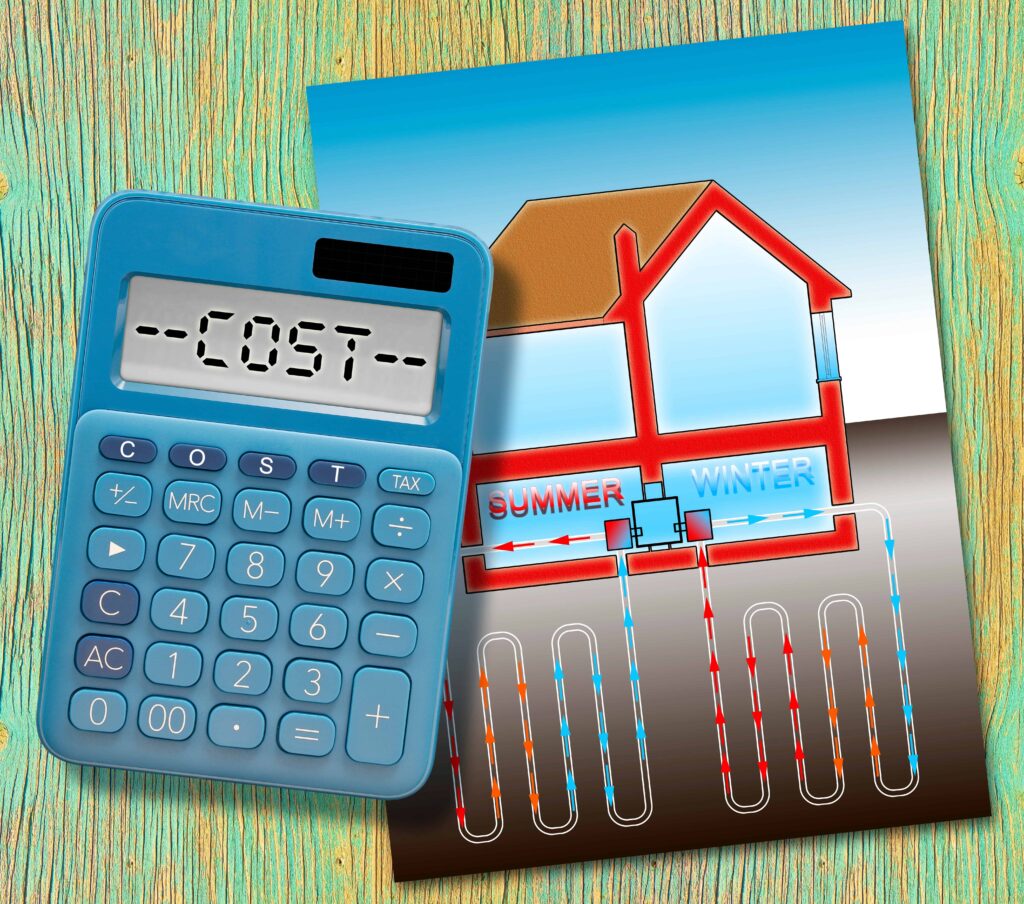
The Long-Term Value of Geothermal Systems
While geothermal systems require a larger upfront investment, their long lifespan often makes them more cost-effective over time.
Benefits include:
- Lower utility costs
- Reduced maintenance expenses
- Longer replacement intervals
- Increased property value
- Reduced environmental impact
For many homeowners, geothermal systems provide decades of reliable comfort with significantly lower operating costs.
Start Your Geothermal Project with Sperry Drilling
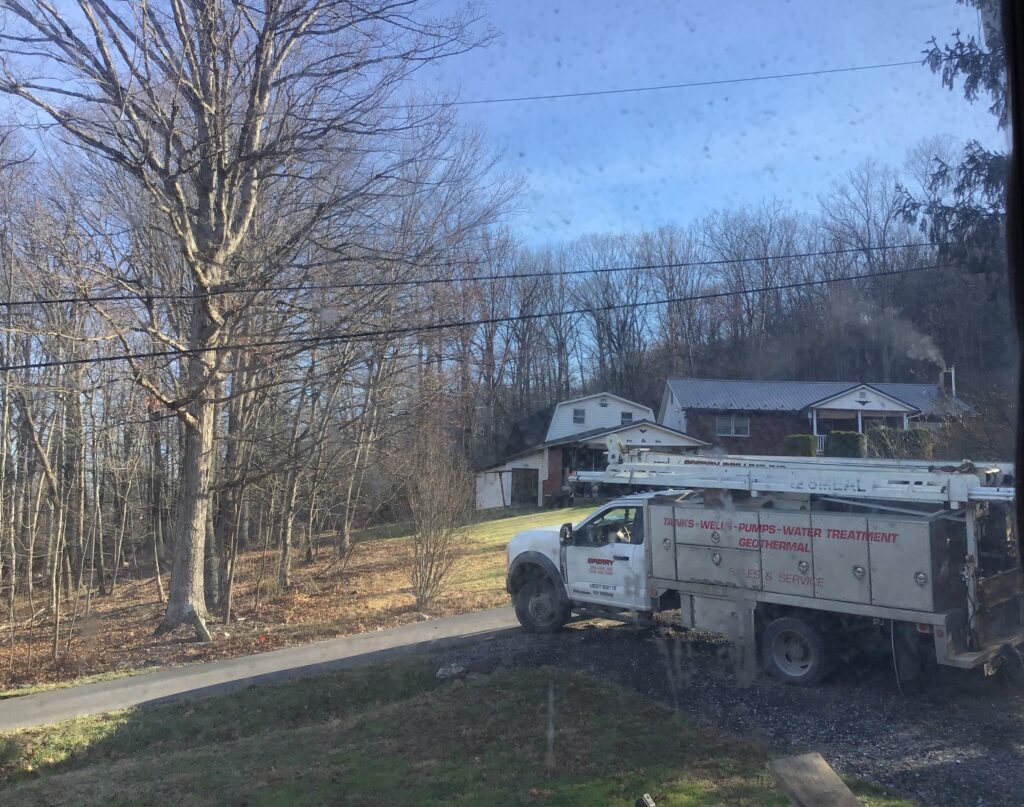
At Sperry Drilling Inc., we specialize in precision geothermal heat pump drilling and ground loop preparation for long-term system performance. With over 55 years of drilling experience, our NGWA-certified team understands the soil, rock, and site conditions that matter when installing geothermal loops throughout Pennsylvania, Maryland, and West Virginia.
Call (814) 267-3487 or contact us here to schedule a free geothermal assessment and learn how proper ground loop drilling can support decades of efficient heating and cooling.