When it comes to improving your home’s water quality, one of the most common questions homeowners ask is whether to install a whole-house water filtration system or a point-of-use system. Both options offer benefits, but the right choice depends on your water quality, budget and household needs.
During the summer months when water usage typically increases, it’s especially important to ensure your system can keep up with demand. In this guide, we’ll break down the differences, pros and cons, and how to decide which system is best for your home.
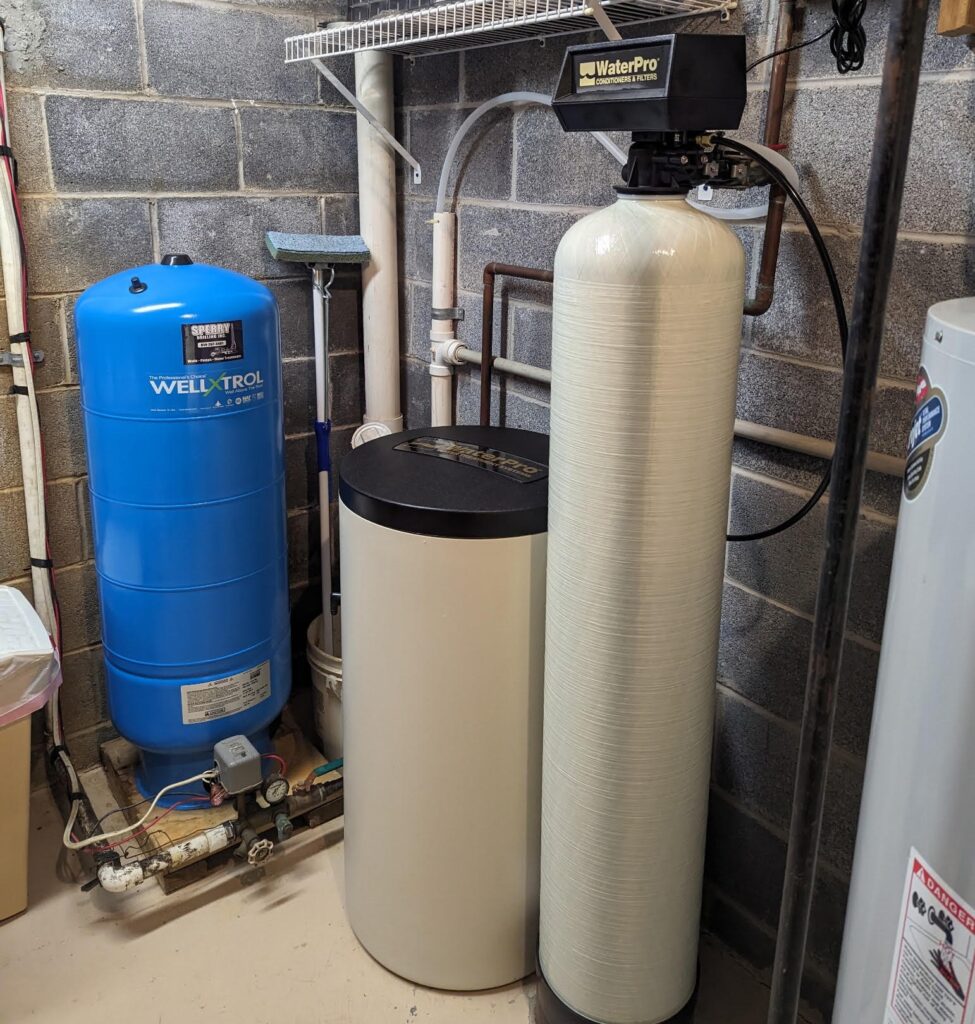
What Is a Whole-House Water Filtration System?
A whole-house filtration system is installed at the point where water enters your home. This means every faucet, shower and appliance receives treated water.
Benefits
- Filters all water used throughout the home
- Protects plumbing, appliances and fixtures
- Improves water quality for bathing, laundry, and cleaning
- Reduces sediment, chlorine, iron and other contaminants
Considerations
- Higher upfront cost
- Requires space for installation
- May need periodic filter changes and maintenance
Whole-house systems are ideal for homeowners dealing with widespread issues like iron staining, sulfur odors, or sediment.
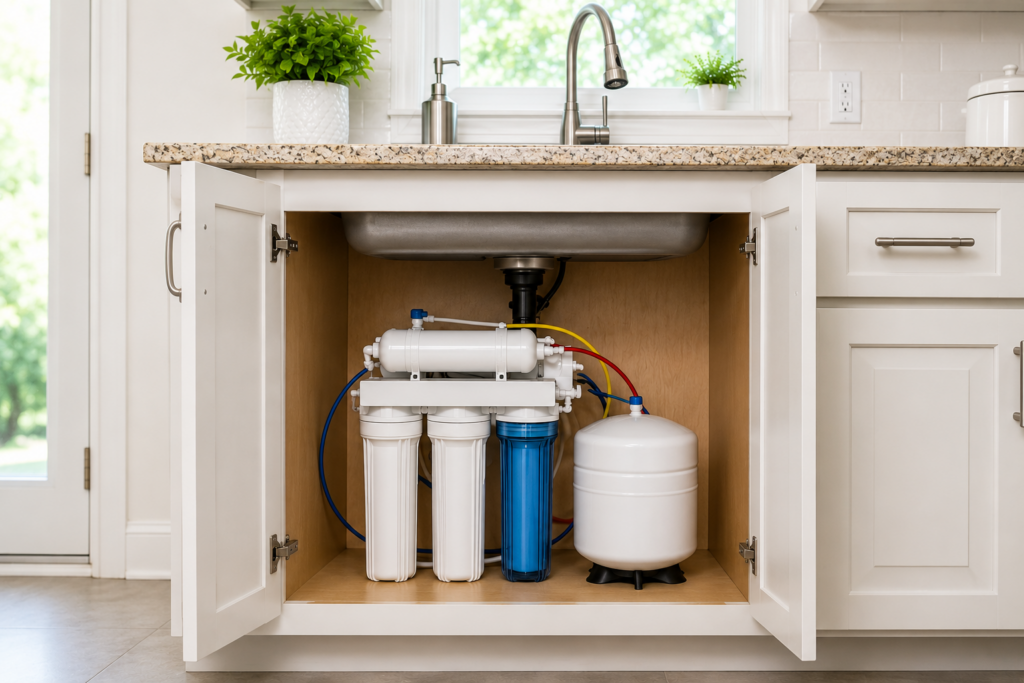
What Is a Point-of-Use Water Filtration System?
A point-of-use system treats water at a specific location – typically a kitchen sink or drinking faucet.
Common examples include:
- Reverse osmosis systems
- Faucet-mounted filters
- Under-sink filtration units
Benefits
- Lower upfront cost
- Targets drinking and cooking water directly
- Easier installation
- Highly effective for specific contaminants
Considerations
- Does not treat water throughout the entire home
- Multiple units may be needed for full coverage
- Does not protect plumbing or appliances
Point-of-use systems are best for homeowners primarily concerned with drinking water quality.
Key Differences Between Whole-House and Point-of-Use Systems
| Feature | Whole-House System | Point-of-Use System |
| Coverage | Entire home | Single faucet or fixture |
| Installation | Main water line | Under sink or faucet |
| Cost | Higher upfront | Lower upfront |
| Maintenance | Periodic filter replacement | Smaller, more frequent filter changes |
| Best For | Whole-home issues | Drinking and cooking water |
Which System Is Right for Your Home?
The best solution depends on your water quality and how you use water in your home.
Choose a Whole-House System If:
- You have iron, sulfur, or sediment issues
- You want to protect plumbing and appliances
- Water quality affects showers, laundry, and cleaning
Choose a Point-of-Use System If:
- Your main concern is drinking water safety
- You want a more budget-friendly option
- You need targeted filtration for specific contaminants
In Many Cases, the Best Solution Is Both
Some homeowners benefit from combining both systems:
- Whole-house filtration for general water quality
- Point-of-use filtration for drinking water purity
This layered approach provides comprehensive protection and the highest level of water quality.
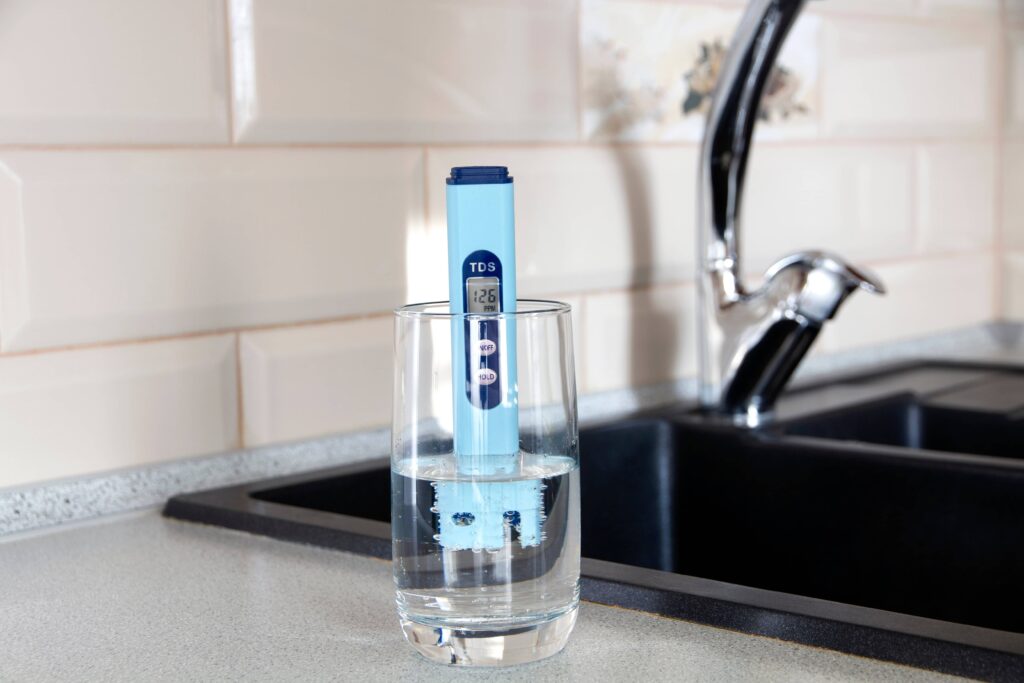
The Importance of Water Testing Before Choosing a System
Before selecting a filtration system, it’s essential to understand what’s actually in your water.
Professional water testing can identify:
- Bacteria
- Iron and manganese
- Sulfur
- Nitrates
- pH imbalances
Without testing, you risk installing a system that doesn’t fully address your water concerns.
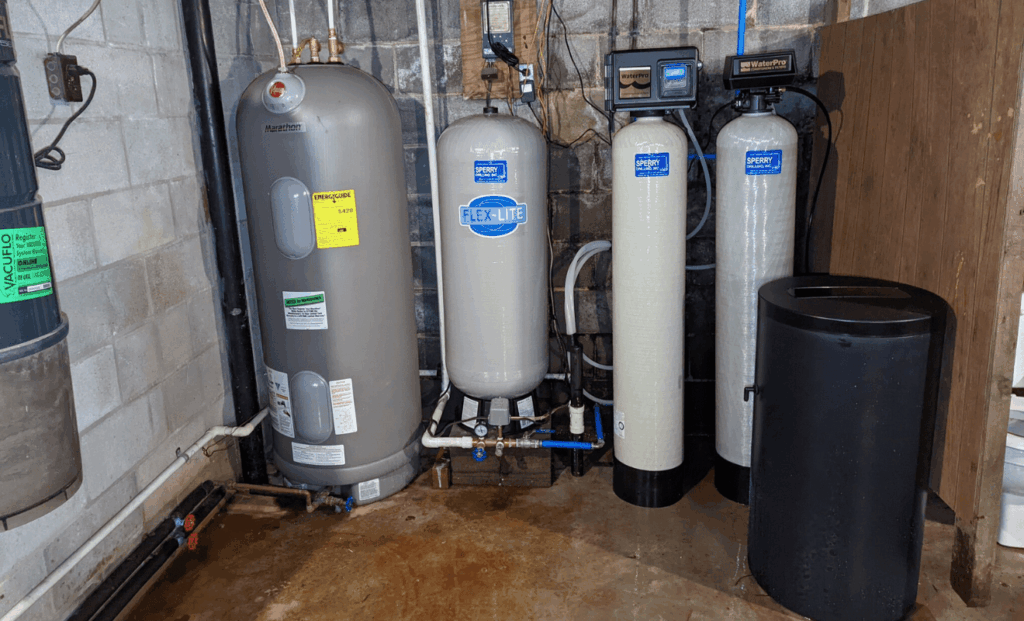
Find the Right Water Filtration Solution for Your Home With Sperry Drilling
Choosing the right water filtration system starts with understanding your water. At Sperry Drilling Inc., we provide free water testing and expert recommendations to help you select the best solution for your home – whether that’s a whole-house system, a point-of-use system, or a combination of both.
Call (814) 267-3487 or contact us here to schedule your water test and get started with cleaner, safer water.