A newly-drilled well is a long-term investment in clean, reliable water. But proper care during the first year is critical to ensuring strong performance, safe drinking water, and long equipment life.
Spring is a common season for new well installations in Pennsylvania. If your well was recently drilled – or you’re planning one – here’s what you need to know about flushing, testing, and maintaining your system for optimal water quality.
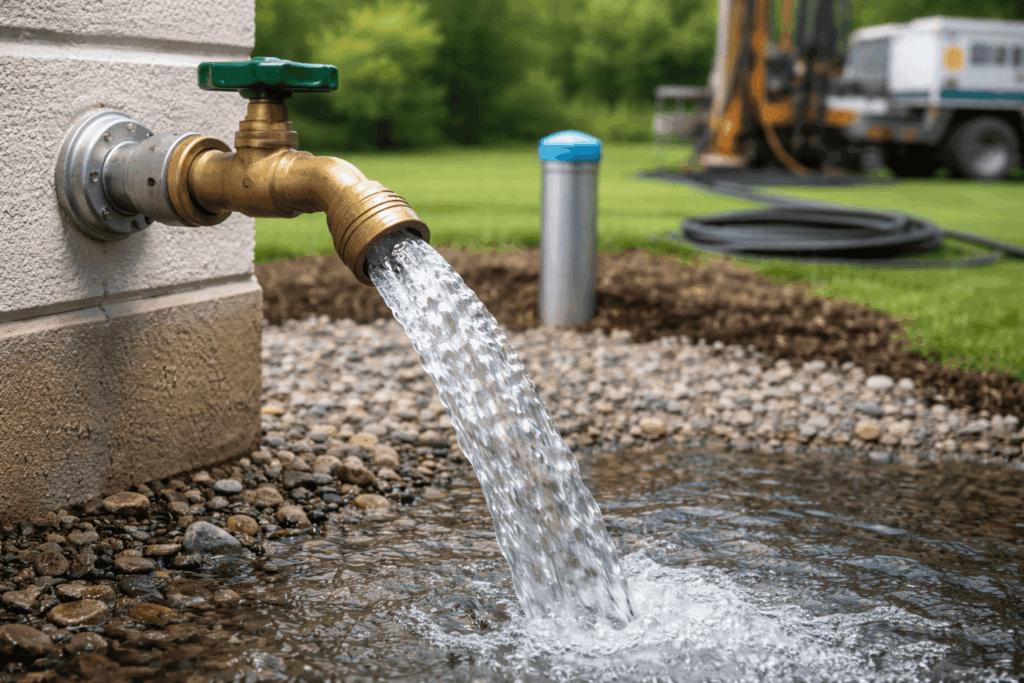
Flush the System Thoroughly After Installation
After drilling is complete, sediment and fine particles may remain in the water. Proper flushing removes debris and helps stabilize flow rates.
Your contractor should:
- Flush the well until water runs clear
- Remove drilling sediment and fine particulates
- Confirm stable production levels
As a homeowner, you may notice minor discoloration in the first few days. This is normal as the system stabilizes. However, persistent cloudiness or debris should be inspected by a professional.
Schedule Initial Water Quality Testing
Even if the water appears clear, professional testing is essential.
A new well should be tested for:
- Coliform bacteria
- Nitrates and nitrites
- Iron and manganese
- pH levels
- Hardness
Testing confirms the well is safe for consumption and identifies whether treatment systems are necessary.
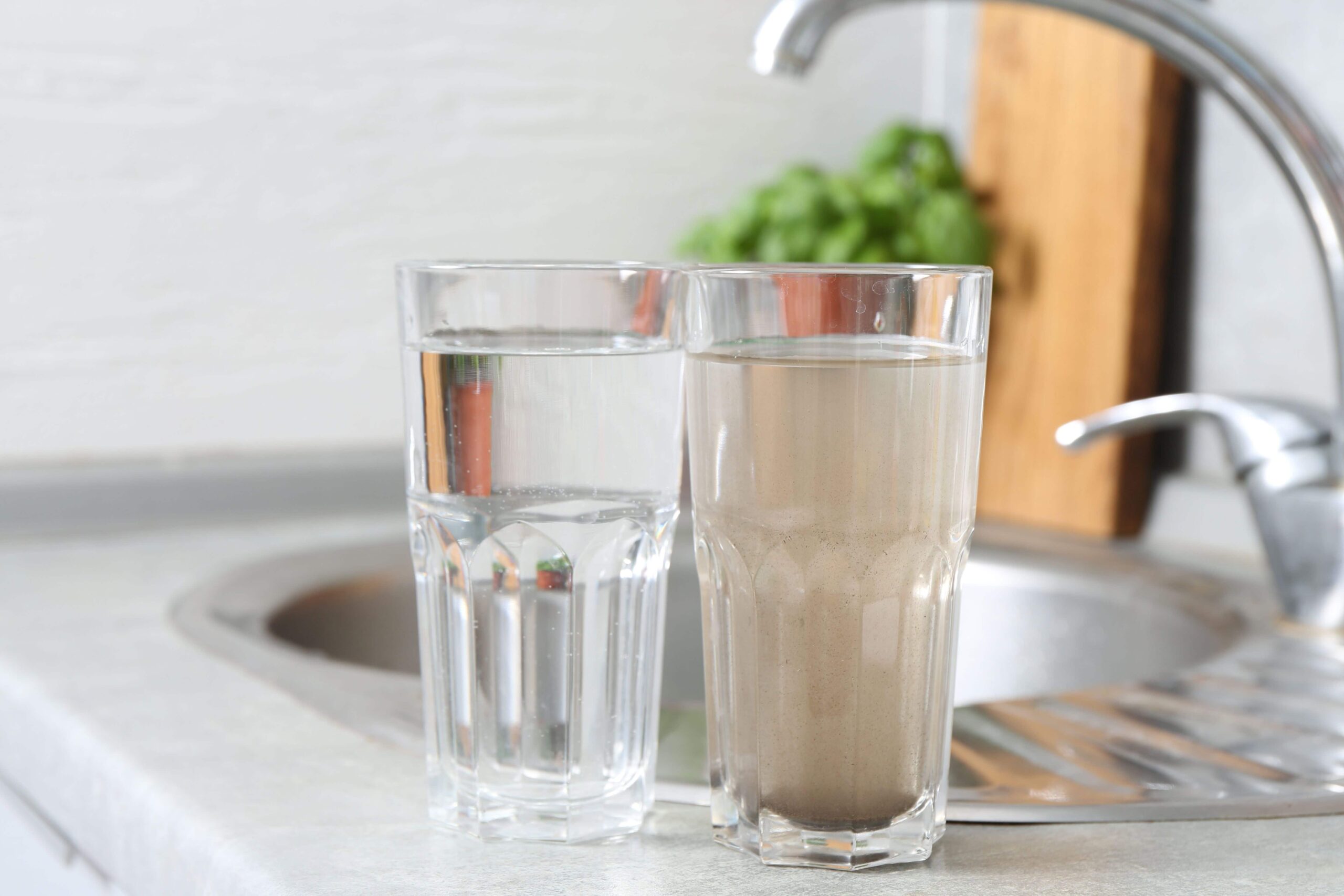
Monitor Water Clarity, Taste, and Odor
During the first year, pay close attention to changes in:
- Water color
- Metallic or sulfur smells
- Unusual tastes
- Sediment buildup in fixtures
These may indicate mineral presence, bacterial activity, or developing system issues. Early detection allows for quick correction.
If you notice signs of contamination, review our related guide: Recognizing the Signs of Contaminated Well Water
Protect the Wellhead
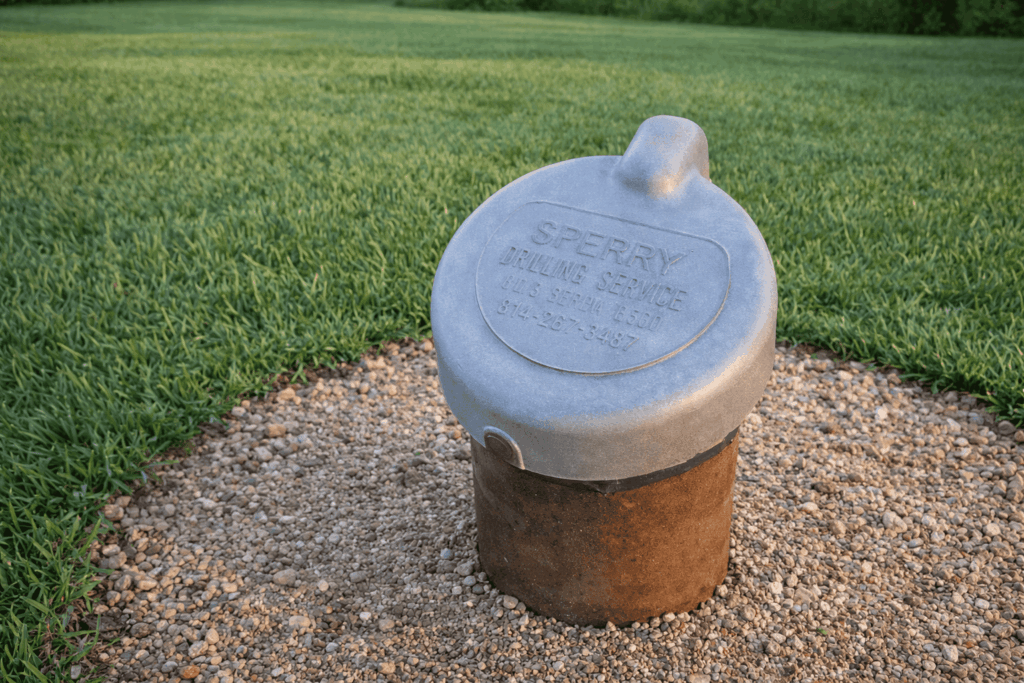
The wellhead is the visible portion of your well system above ground. Keeping it protected prevents contamination.
Best practices include:
- Ensure the well cap remains securely sealed
- Keep the area around the well clear of debris
- Avoid storing chemicals, fertilizers, or fuel nearby
- Maintain proper grading so surface water drains away
A compromised well cap is one of the most common sources of contamination.
Inspect Pump and Tank Performance
A newly-drilled well is only as reliable as its pump and pressure system.
During the first year:
- Monitor water pressure consistency
- Listen for short cycling
- Schedule a professional inspection if pressure fluctuates
Proper pump sizing and pressure tank settings ensure long-term efficiency. Learn more here: https://sperrydrillinginc.com/pump-services/
Test Annually – Even After Year One
After your first year, annual testing should become part of routine maintenance. Seasonal groundwater shifts, heavy rainfall, and nearby land activity can impact water quality over time.
Annual testing helps:
- Catch bacterial contamination early
- Prevent appliance damage from mineral buildup
- Extend the lifespan of your well system
Preventive maintenance is far less expensive than emergency repair or well rehabilitation.
Protect Your New Well Investment with Proper First-Year Care
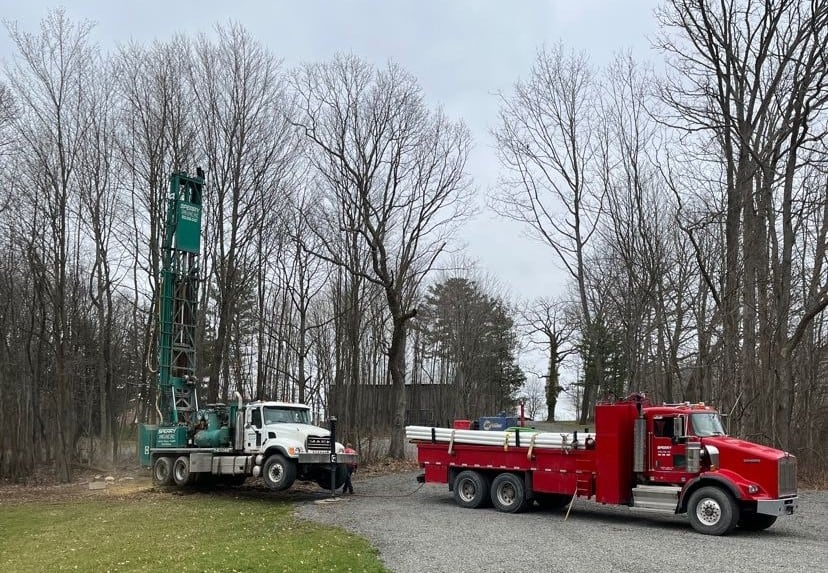
A newly-drilled well deserves professional follow-up care. At Sperry Drilling Inc., we provide expert well inspections, water testing, pump system evaluations, and treatment solutions to ensure your water remains clean and dependable.
With over 55 years of experience serving Pennsylvania, Maryland, and West Virginia, we’re here to protect your investment.
Call (814) 267-3487 or contact us here to schedule a water quality check or system evaluation.