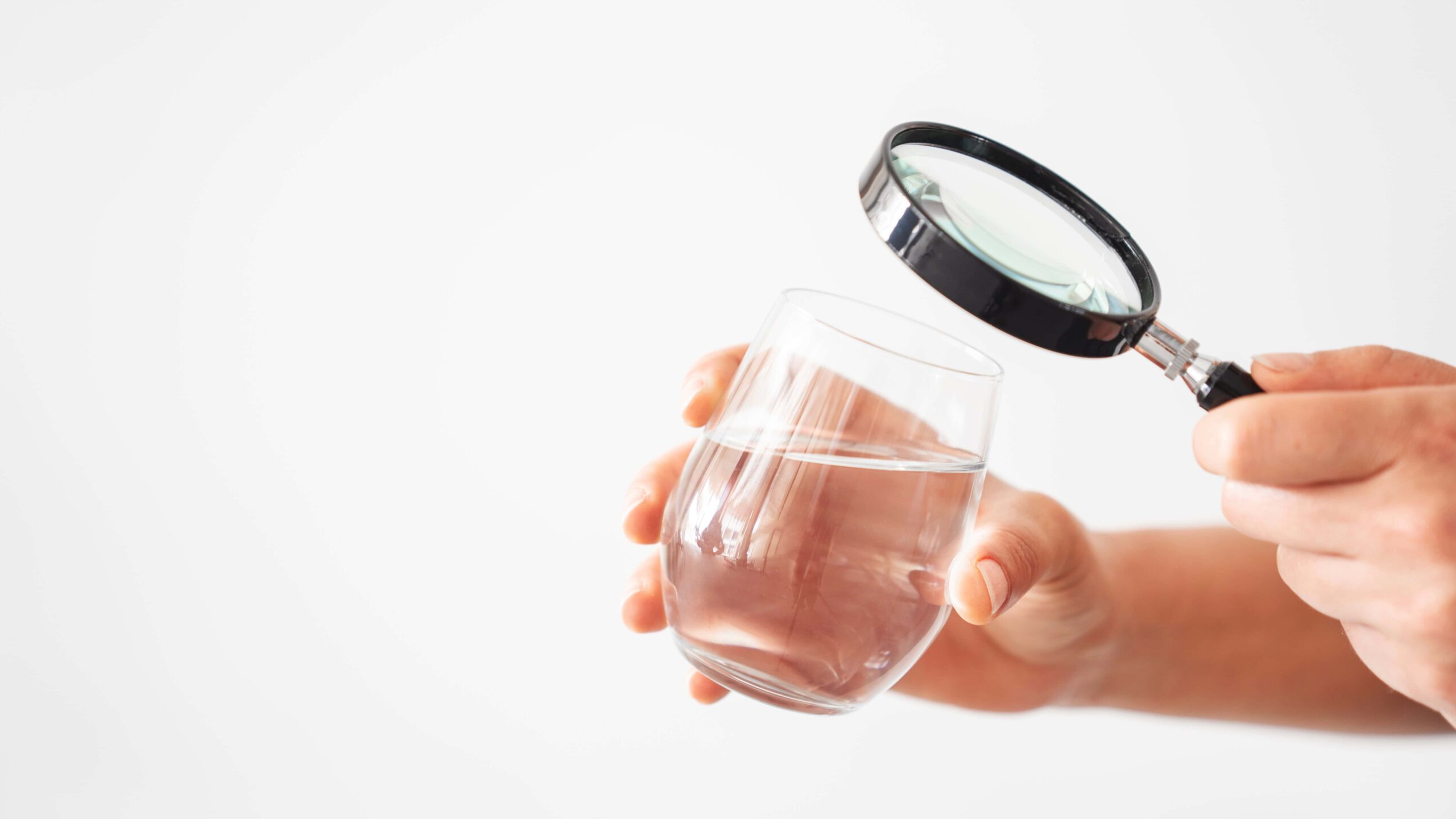
If your home relies on a private well, testing your water quality is one of the most important steps you can take to protect your health and your plumbing system. Unlike municipal water, private well water is not routinely monitored, which means homeowners are responsible for ensuring it’s safe to drink and use.
Winter is an ideal time to test your water. With more time spent indoors and heavier water usage, issues such as odors, discoloration, or taste changes often become more noticeable. This guide explains how to test your water, what the results mean, and when it’s time to call a professional.
Why Regular Water Testing Is Essential
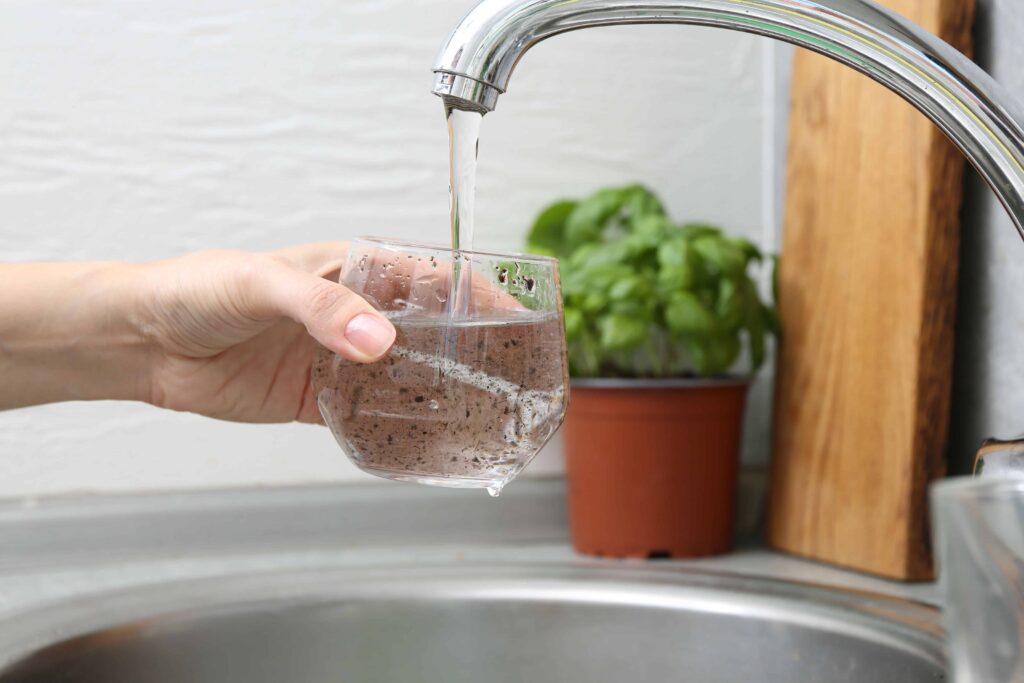
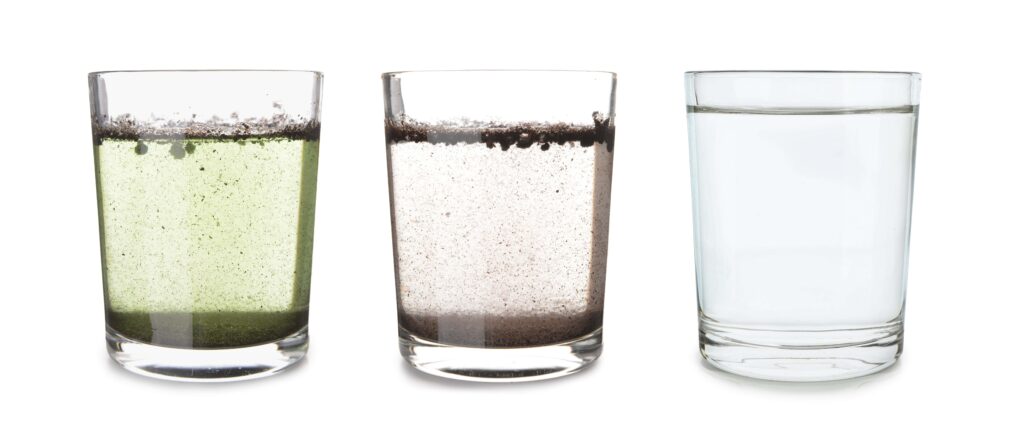
Groundwater conditions can change over time due to weather patterns, nearby land use, aging well components, or natural mineral deposits. Even if your water looks clear, contamination may still be present.
Routine water testing helps you:
- Detect harmful bacteria or nitrates early
- Identify iron, sulfur, or manganese buildup
- Prevent long-term health risks
- Protect plumbing fixtures and appliances
- Determine the correct water treatment solution
Most experts recommend testing private well water at least once a year, or immediately if you notice changes in smell, taste, or appearance.
Common Water Quality Issues Found in Private Wells
When testing well water, results often reveal one or more of the following issues:
- Bacteria (coliform or E. coli) – Indicates possible contamination from surface water or septic systems
- Iron and manganese – Causes staining, metallic taste, and buildup in pipes
- Sulfur (hydrogen sulfide) – Produces a rotten egg odor
- Nitrates and nitrites – Especially concerning for infants and young children
- pH imbalance – Can cause corrosion or scaling in plumbing systems
Understanding what’s in your water is the first step toward choosing the right treatment system.
DIY Water Testing vs. Professional Testing
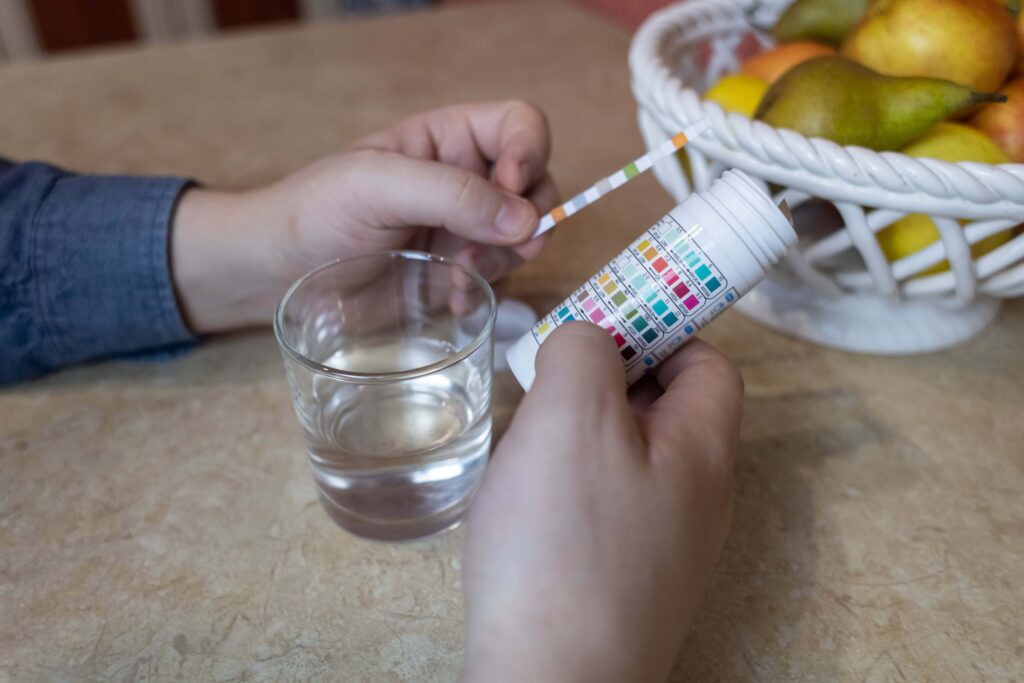
At-Home Water Test Kits
DIY kits are readily available and can provide a basic snapshot of water quality.
Pros:
- Affordable and convenient
- Useful for preliminary screening
Cons:
- Limited accuracy
- Results can be misinterpreted
- Often don’t test for all contaminants
DIY tests are best used as a starting point, not a final diagnosis.
Professional Water Testing
Professional water testing offers more reliable and comprehensive results.
Benefits include:
- Lab-grade accuracy
- Testing for bacteria, minerals, and chemical contaminants
- Expert interpretation of results
- Customized treatment recommendations
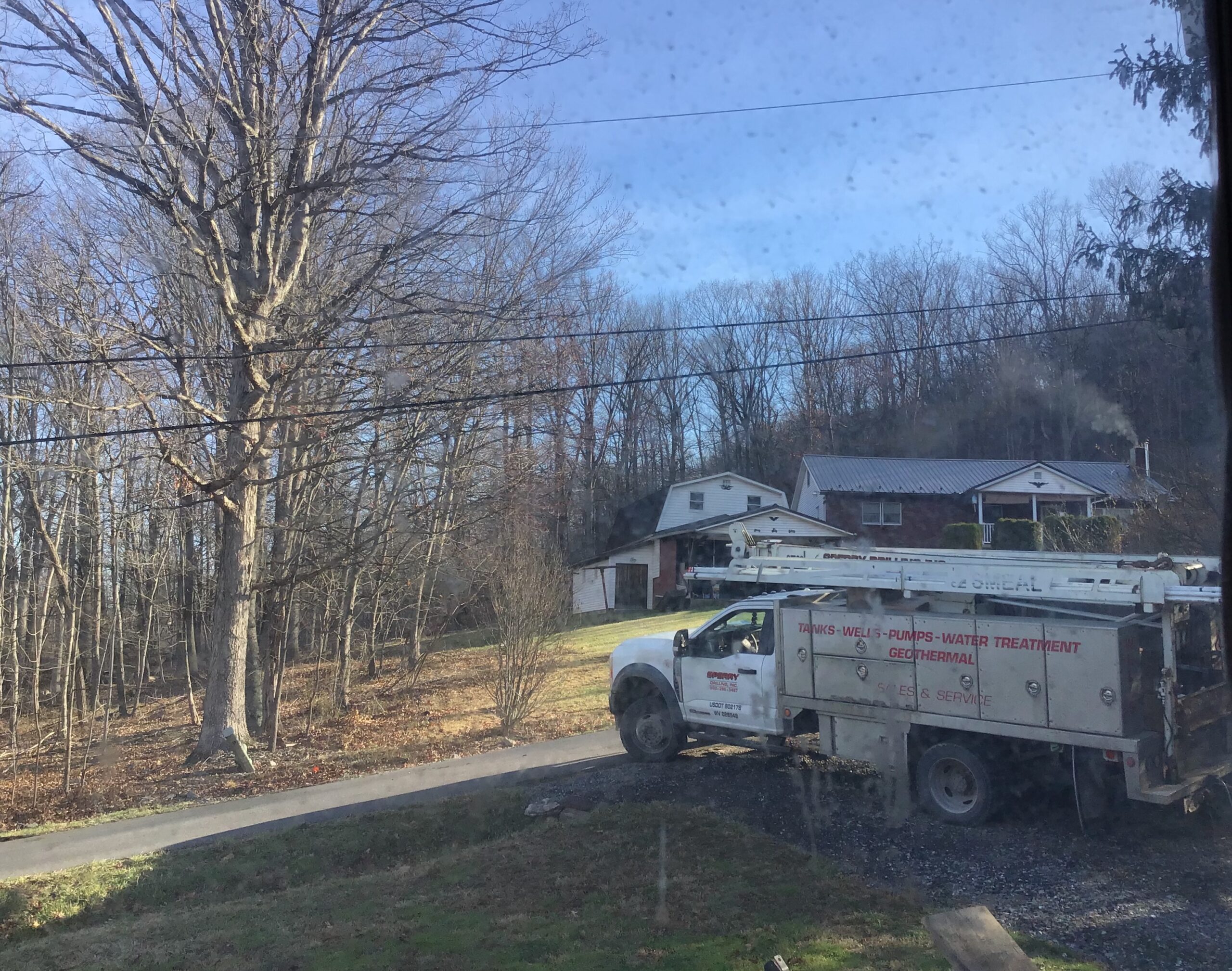
Sperry Drilling Inc. offers free water testing, making it easy to understand your water quality without guesswork.
How to Interpret Your Water Test Results
Once results are available, the numbers can feel overwhelming. Here’s how to approach them:
- Bacteria present: Immediate action required, often UV disinfection or shock chlorination
- High iron or sulfur: Filtration or oxidation systems recommended
- Elevated nitrates: Reverse osmosis or specialized treatment may be needed
- Low or high pH: Neutralizers help protect pipes and fixtures
Rather than guessing, a professional can explain what levels are acceptable and which ones require treatment.
What to Do If Your Water Fails a Test
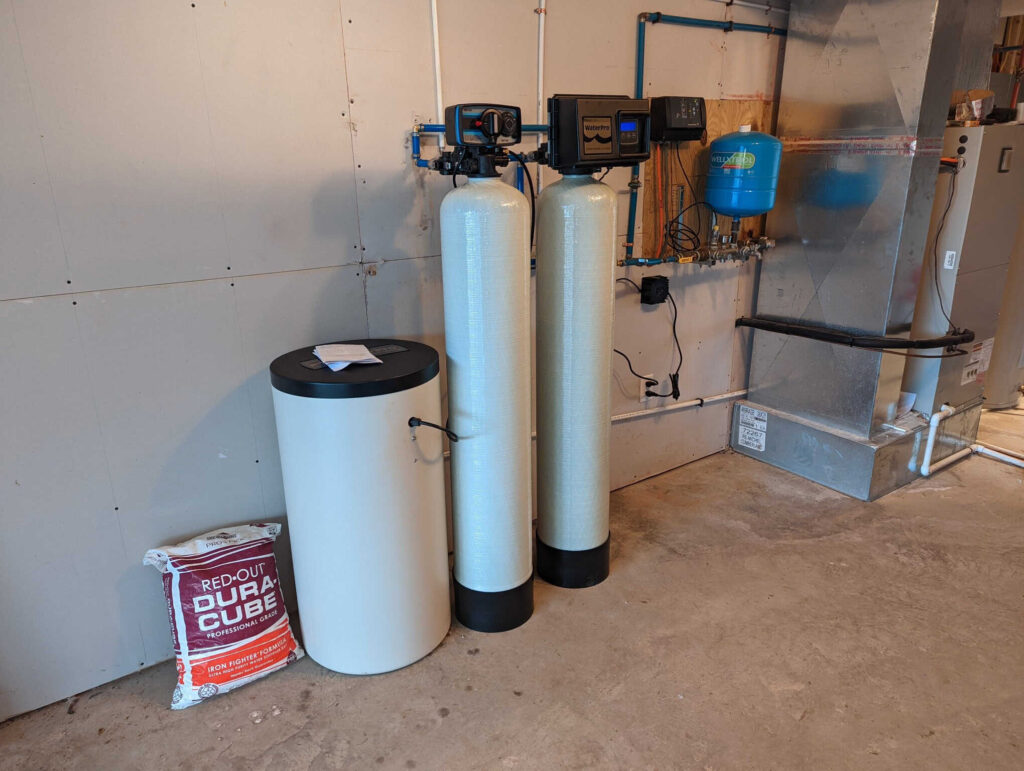
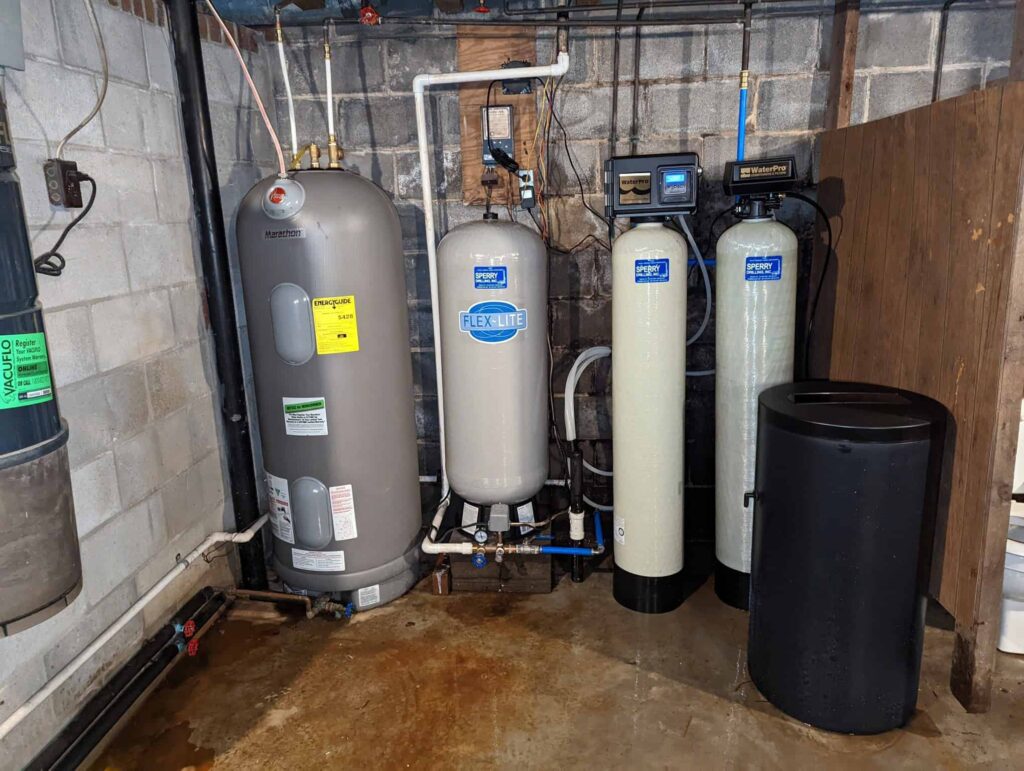
If test results show contamination or excessive mineral levels, the next step is installing the appropriate treatment system. Common solutions include:
- Iron and sulfur filtration systems
- UV water purification for bacteria
- Whole-house filtration systems
- Point-of-use systems for drinking water
Choosing the right system depends on your test results, water usage, and household needs.
Get Clear Answers About Your Home’s Water Quality
If you haven’t tested your well water recently or if something doesn’t seem right, now is the time. At Sperry Drilling Inc., we provide free water testing and expert guidance to help homeowners understand their results and select the right treatment solution.
Call (814) 267-3487 or contact us online to schedule your water test and ensure your home’s water is clean, safe, and reliable.