Cold weather can be hard on private well systems, especially if pump and tank components are located in an unheated basement, crawl space, pump house, garage, or other exposed area. When temperatures drop, water lines, pressure tanks, fittings, and pump equipment can freeze, crack, or fail – leaving your home without reliable water when you need it most.
Preparing your system before winter arrives is one of the best ways to prevent emergency repairs, protect your equipment, and keep your water flowing smoothly through the colder months.
Why Winterizing Your Pump and Tank Matters
Your well pump and water tank system work together to deliver steady water pressure throughout your home. When freezing temperatures affect exposed pipes or equipment, the entire system can be put at risk.
Common winter-related issues include:
- Frozen water lines
- Cracked pipes or fittings
- Damaged pressure switches
- Reduced water pressure
- Pump short cycling
- Tank or system failure
Even a small freeze can lead to expensive repairs if it damages plumbing, electrical components, or tank connections. Preventive winter care is much easier – and more affordable – than dealing with a frozen system during a cold snap.
Insulate Exposed Pipes and Water Lines
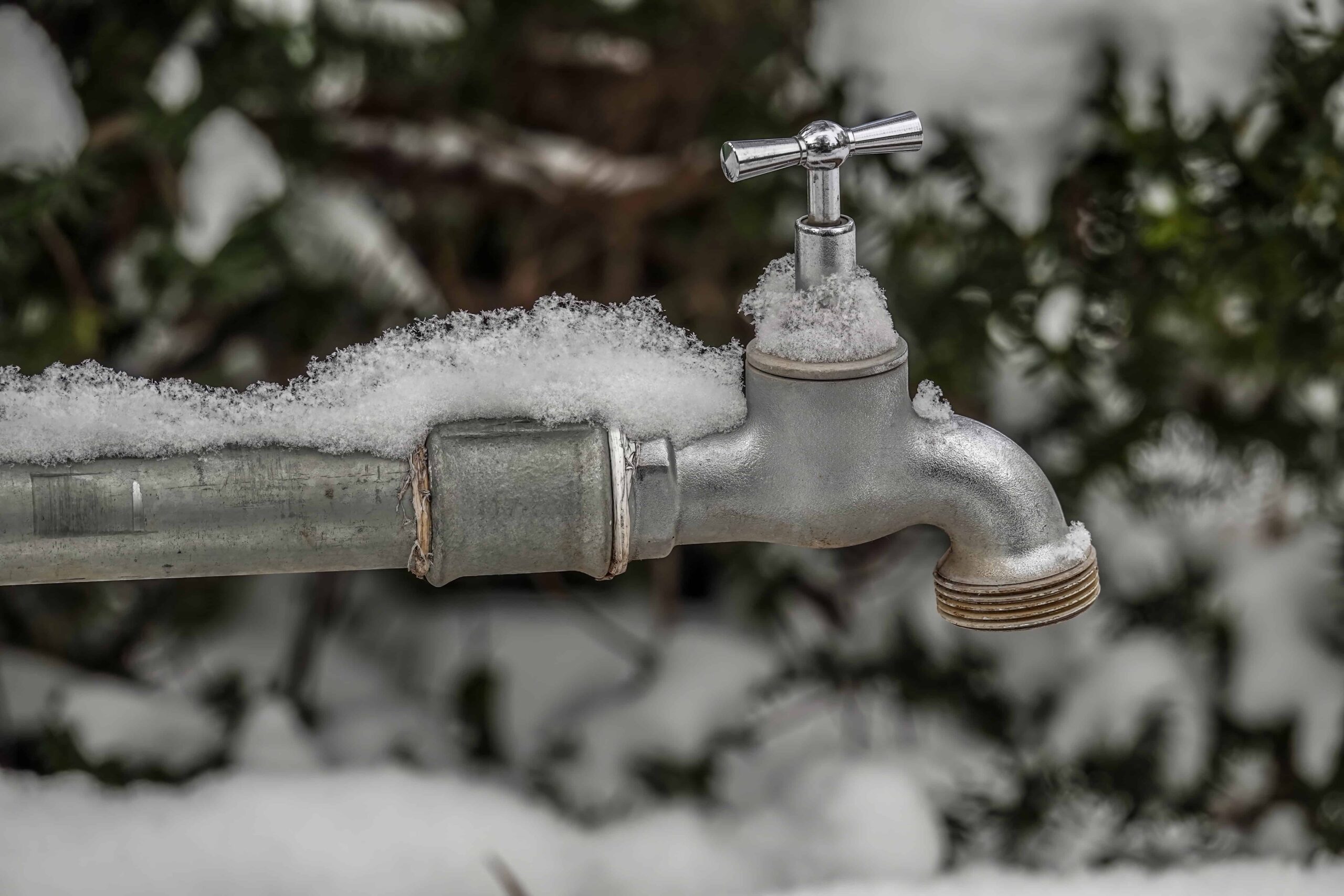
Any exposed water line is vulnerable to freezing, especially in areas with limited heat or airflow.
Focus on pipes located in:
- Crawl spaces
- Garages
- Pump houses
- Basements with poor insulation
- Exterior walls
- Utility rooms
Pipe insulation sleeves, heat tape, and proper air sealing can help reduce freeze risk. If heat tape is used, it should be installed carefully and checked regularly to ensure it is functioning safely.
Protect the Pump House or Utility Area
If your pump equipment is located in a pump house, shed, or other separate structure, make sure the space is prepared before winter.
Helpful steps include:
- Seal gaps around doors, windows, and vents
- Add insulation to walls or ceilings
- Keep the area dry and protected from wind
- Maintain a safe heat source if needed
- Check that electrical components are secure and dry
A pump house does not always need to be warm, but it does need enough protection to keep critical components from freezing.
Check the Water Tank and Pressure System
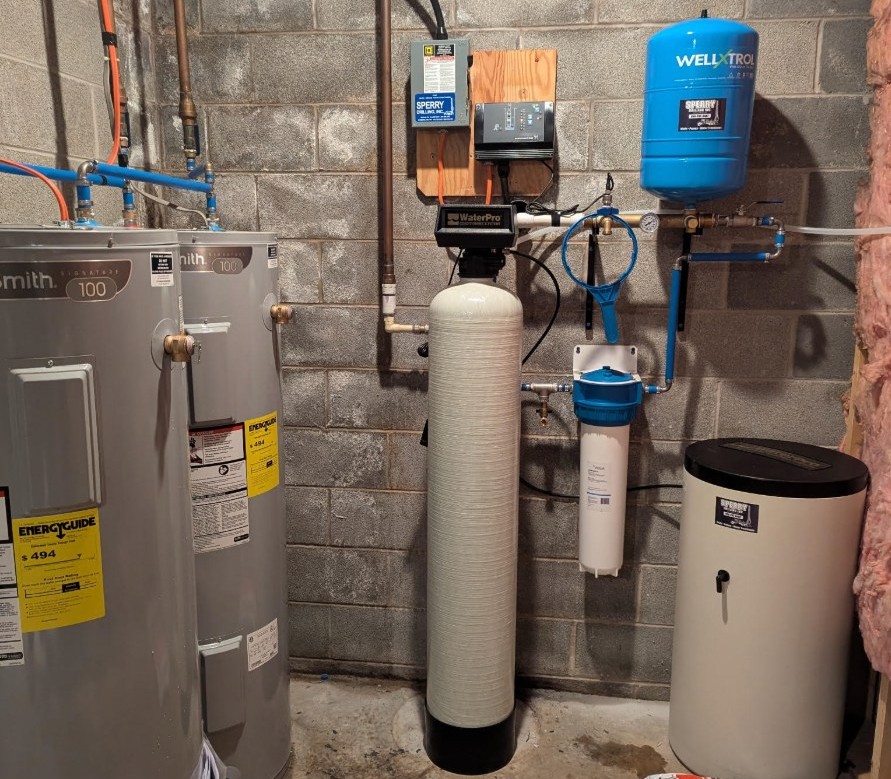
Water tanks and pressure components should be inspected before cold weather arrives. A small issue in the fall can become a larger problem once freezing temperatures add stress to the system.
Look for signs such as:
- Inconsistent water pressure
- Frequent pump cycling
- Moisture or leaks around fittings
- Unusual noises from the tank or pump
- Rust or corrosion near connections
If the tank is not holding pressure properly, or if the pump is turning on and off too often, a professional inspection can help identify the issue before winter makes it worse.
Related resource: Pressure Tanks 101: Understanding How They Work and Why They Matter
Drain Seasonal or Unused Water Lines
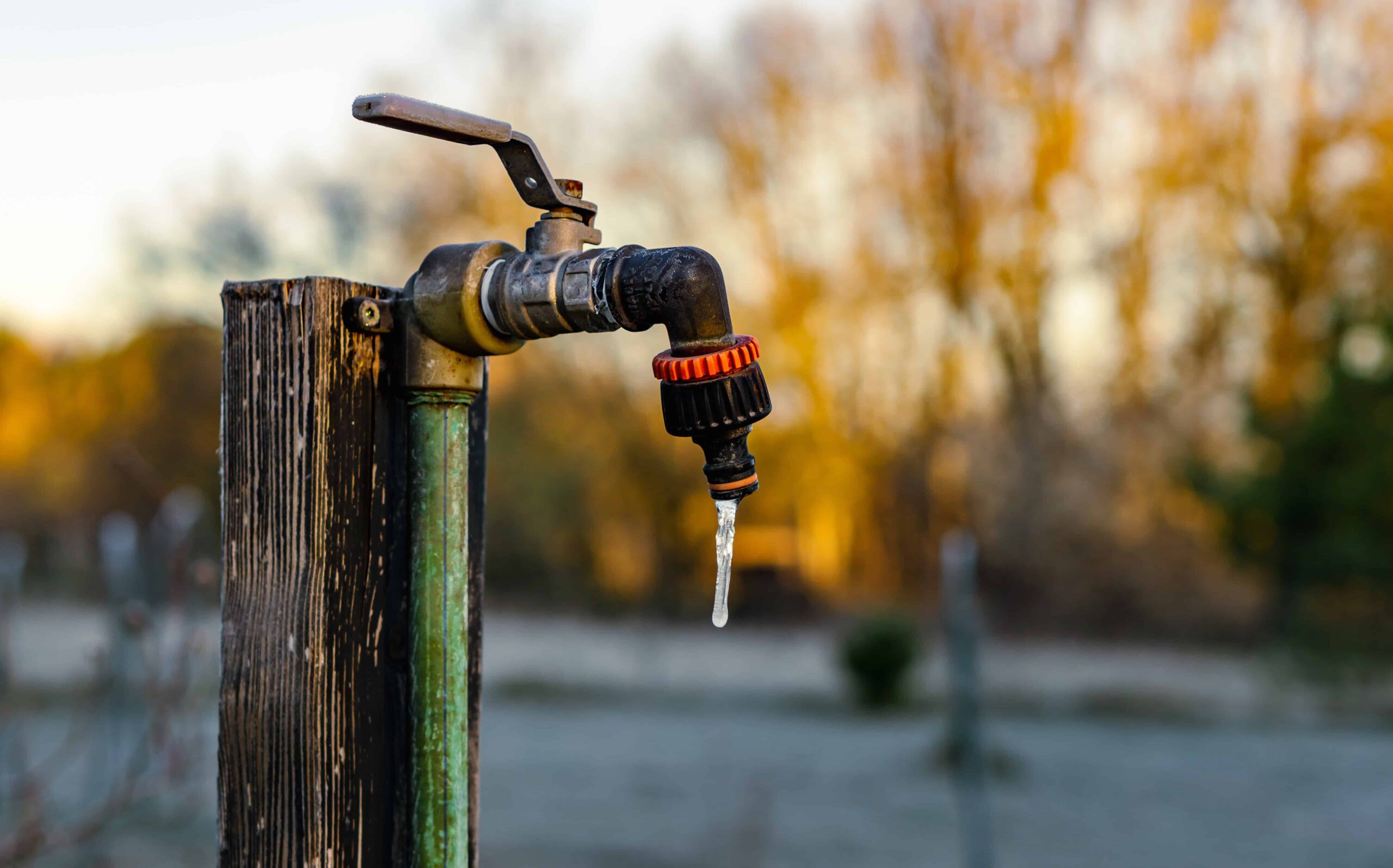
If your property has seasonal water lines, outdoor spigots, irrigation lines, barns, workshops, or other low-use areas, these should be drained before freezing temperatures arrive.
Steps may include:
- Shutting off water to unused lines
- Opening faucets to relieve pressure
- Draining outdoor hoses and hydrants
- Disconnecting garden hoses
- Checking livestock or agricultural water lines
This is especially important for farms, seasonal properties, or buildings that may not be heated throughout winter.
Schedule a Pre-Winter System Inspection
A professional inspection helps confirm that your pump, tank, fittings, electrical components, and pressure settings are ready for colder weather.
A technician can check:
- Pump performance
- Tank air charge and pressure
- Pressure switch operation
- Visible leaks or corrosion
- Pipe insulation concerns
- System cycling behavior
Catching problems early can help prevent emergency service calls during the coldest part of the year.
What to Do If Your System Freezes
If you suspect part of your well system has frozen, avoid forcing the system to run. Running a pump against a blockage can damage equipment.
Instead:
- Shut off power to the pump if needed
- Avoid using open flames to thaw pipes
- Check for visible leaks or cracks
- Contact a professional if pressure does not return
Once the system thaws, it should be inspected for damage before normal use resumes.
Winterize Your Pump and Tank System with Sperry Drilling
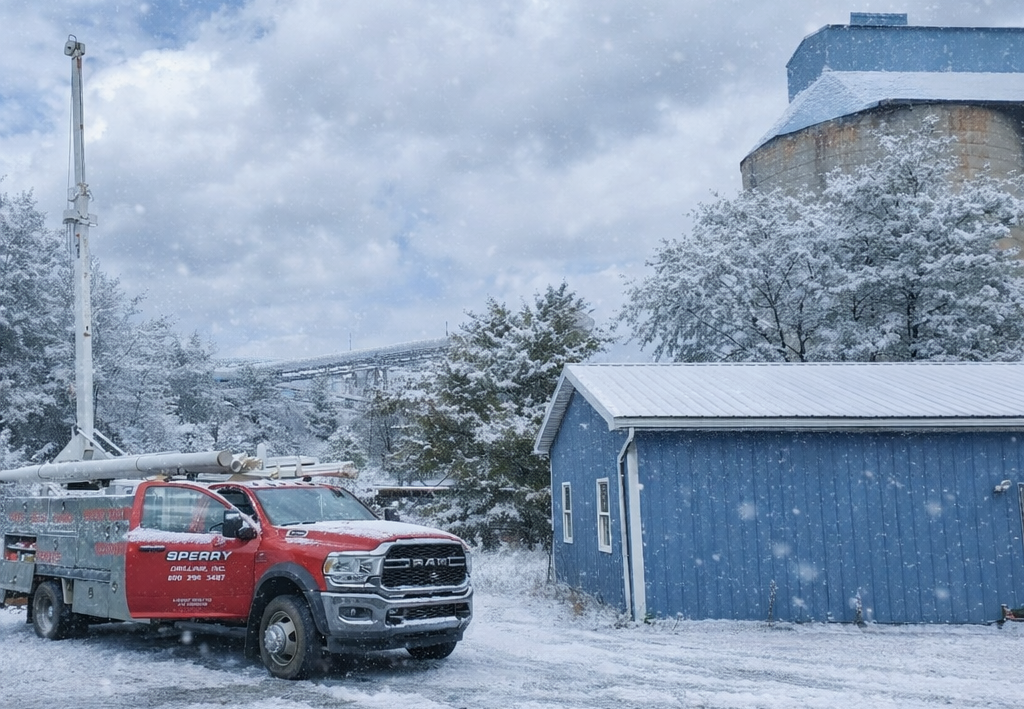
Before freezing temperatures arrive, make sure your water system is ready for winter. At Sperry Drilling Inc., we provide professional pump and water tank services to help homeowners protect their systems from seasonal damage and maintain reliable water pressure year-round.
With over 55 years of experience serving Pennsylvania, Maryland, and West Virginia, our team can inspect your system, identify potential freeze risks, and recommend the right repairs or upgrades before winter weather causes problems.
Call (814) 267-3487 or contact us here to schedule a pre-winter pump and tank inspection.