For homeowners who rely on a private well, clean water is essential. Many people would also prefer to limit the use of added chemicals whenever possible. That has made treatment technologies such as ultraviolet (UV) disinfection and ozone treatment increasingly appealing.
Both methods can play a role in treating well water without leaving a traditional chemical disinfectant residual behind. However, they work differently, and neither is a universal solution for every water quality problem.
Here’s what homeowners should know before deciding whether UV, ozone, or another treatment system is right for their water.
Why Start with Water Testing?
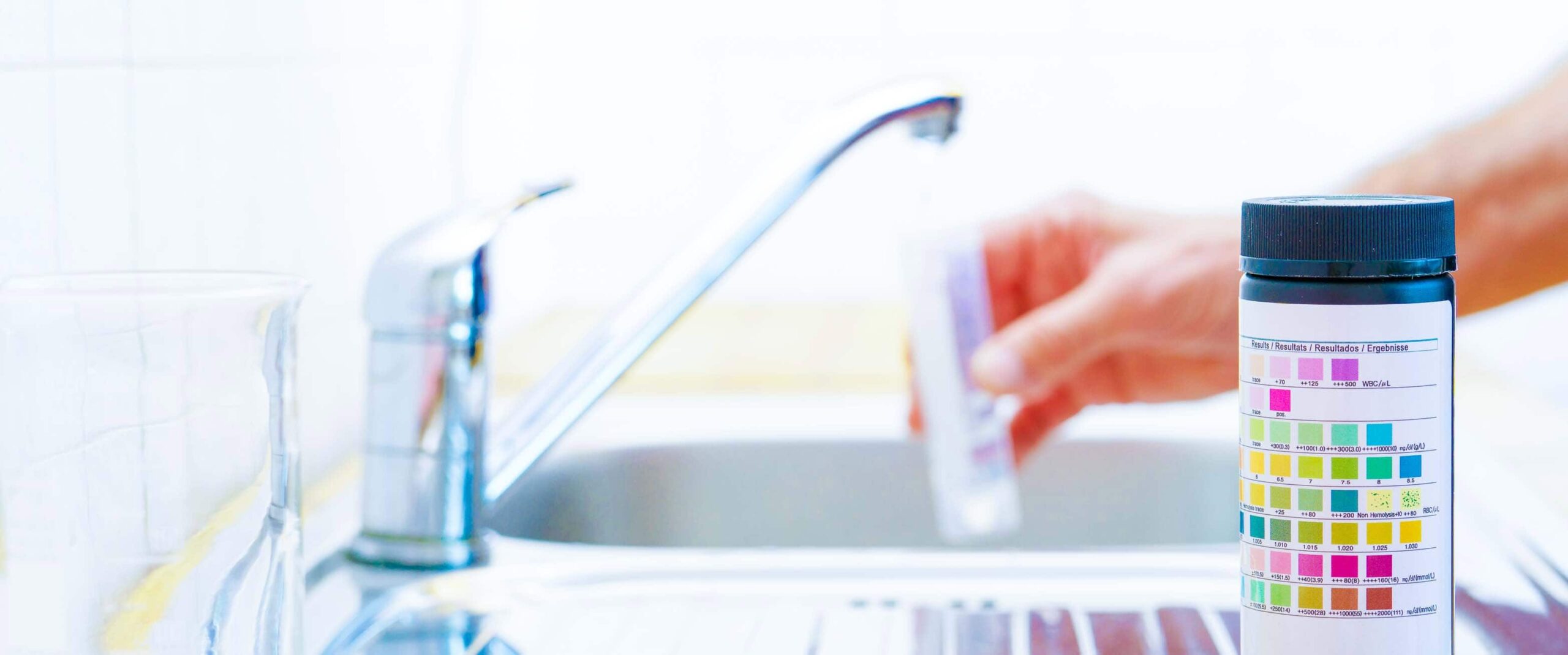
Before choosing any water treatment system, it’s important to know exactly what is in your water.
Private wells are not regulated under the federal Safe Drinking Water Act, so well owners are responsible for monitoring their own water quality. The EPA recommends testing private well water and selecting treatment based on the specific contaminants that are present.
Testing may identify issues such as:
- Coliform bacteria or E. coli
- Iron and manganese
- Sulfur odors
- Hardness
- Nitrates
- pH concerns
- Sediment or other dissolved contaminants
Once the results are understood, a treatment system can be matched to the actual problem instead of relying on guesswork.
How UV Water Treatment Works
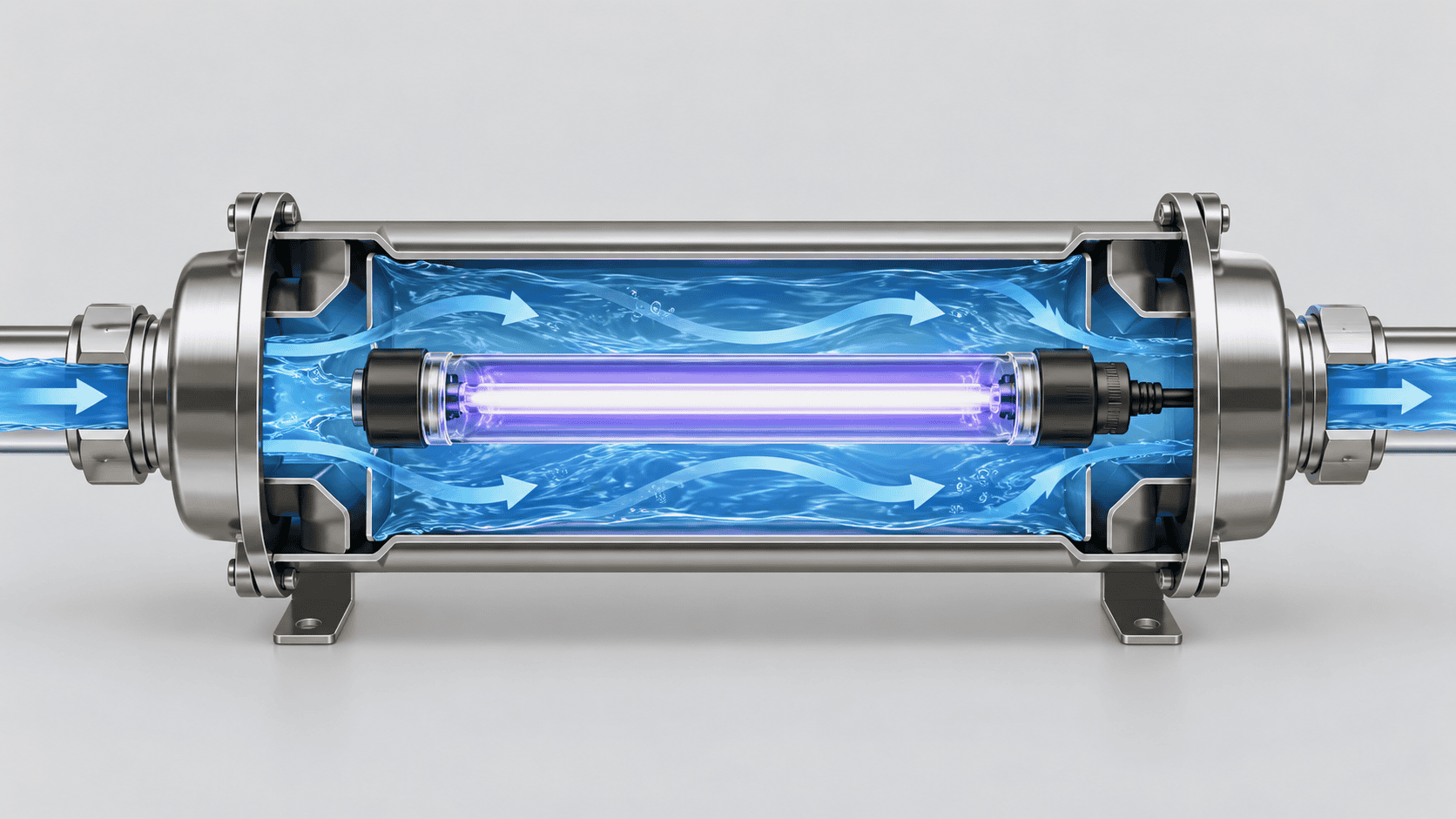
A UV water treatment system exposes water to ultraviolet light as it passes through a treatment chamber. The light is used to disinfect the water by reducing microorganisms such as bacteria, viruses, and parasites.
The CDC notes that UV systems work more effectively when the water is filtered before UV treatment, because sediment or cloudiness can interfere with the light reaching microorganisms. UV treatment does not remove chemicals from the water.
Benefits of UV treatment include:
- No routine chemical disinfectant added to the water
- No change to normal taste or odor from the UV process
- Effective germ reduction when properly sized and maintained
- Relatively compact equipment
- Useful as part of a whole-house treatment system
UV systems do require maintenance. Lamps must be replaced according to manufacturer recommendations, and the quartz sleeve surrounding the lamp needs to remain clean for effective operation.

How Ozone Water Treatment Works
Ozone treatment uses ozone gas, a highly reactive form of oxygen, to oxidize certain contaminants and disinfect water.
Ozone can be useful in water treatment because oxidation can help address some microorganisms, taste and odor concerns, and certain dissolved substances. The EPA includes ozone among the disinfection methods that may be used when well water contains bacterial contamination.
Depending on the water chemistry, ozone treatment may be combined with filtration so oxidized contaminants can be removed from the water after treatment.
Potential benefits include:
- Strong oxidation capability
- No long-lasting chemical disinfectant residual
- May help with some odor and taste problems
- Can complement filtration in appropriately designed systems
Ozone systems are more complex than many basic filters, so proper system design and maintenance are especially important.
Is “Chemical-Free” Water Treatment Right for Every Home?
UV and ozone are sometimes described as chemical-free treatment, but it’s important to understand what that means.
These systems can reduce reliance on traditional chemical disinfectants, but they do not eliminate every possible contaminant. For example, the CDC specifically notes that UV treatment does not remove chemicals from water. Depending on test results, a home may also require iron filtration, water softening, activated carbon, reverse osmosis, or another treatment method.
In some homes, the best approach is a multi-stage system that combines filtration with UV or another treatment technology.
Choosing an Eco-Friendly Water Treatment System
The right system depends on:
- Your water test results
- Well water chemistry
- Household water usage
- Flow rate
- Existing filtration equipment
- Maintenance preferences
Rather than choosing a system based solely on the technology, start by identifying the problem and then selecting the treatment designed to address it.
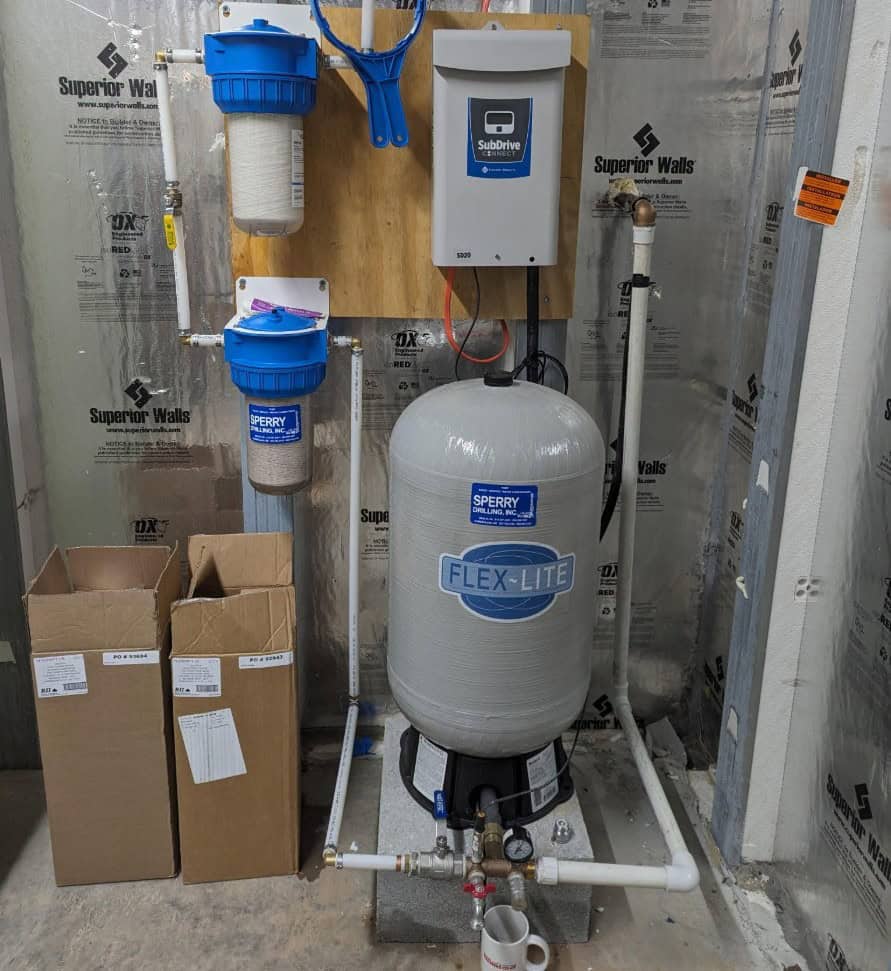
Find the Right Water Treatment Solution with Sperry Drilling
If you’re interested in improving your well water while limiting unnecessary chemical treatment, Sperry Drilling Inc. can help you evaluate your water quality and determine an appropriate treatment approach.
Our team provides water testing and customized treatment solutions for homeowners throughout Pennsylvania, Maryland, and West Virginia.
Call (814) 267-3487 or contact us here to discuss your water quality concerns and find a treatment system suited to your home.