Water well drilling follows the same basic principle whether the project serves a single home or a commercial property: locate a reliable groundwater source and construct a well that can safely meet the property’s water needs.
However, residential and commercial well drilling projects can differ significantly in scale, water demand, system design, site planning, and cost. Understanding those differences can help property owners know what to expect before drilling begins.
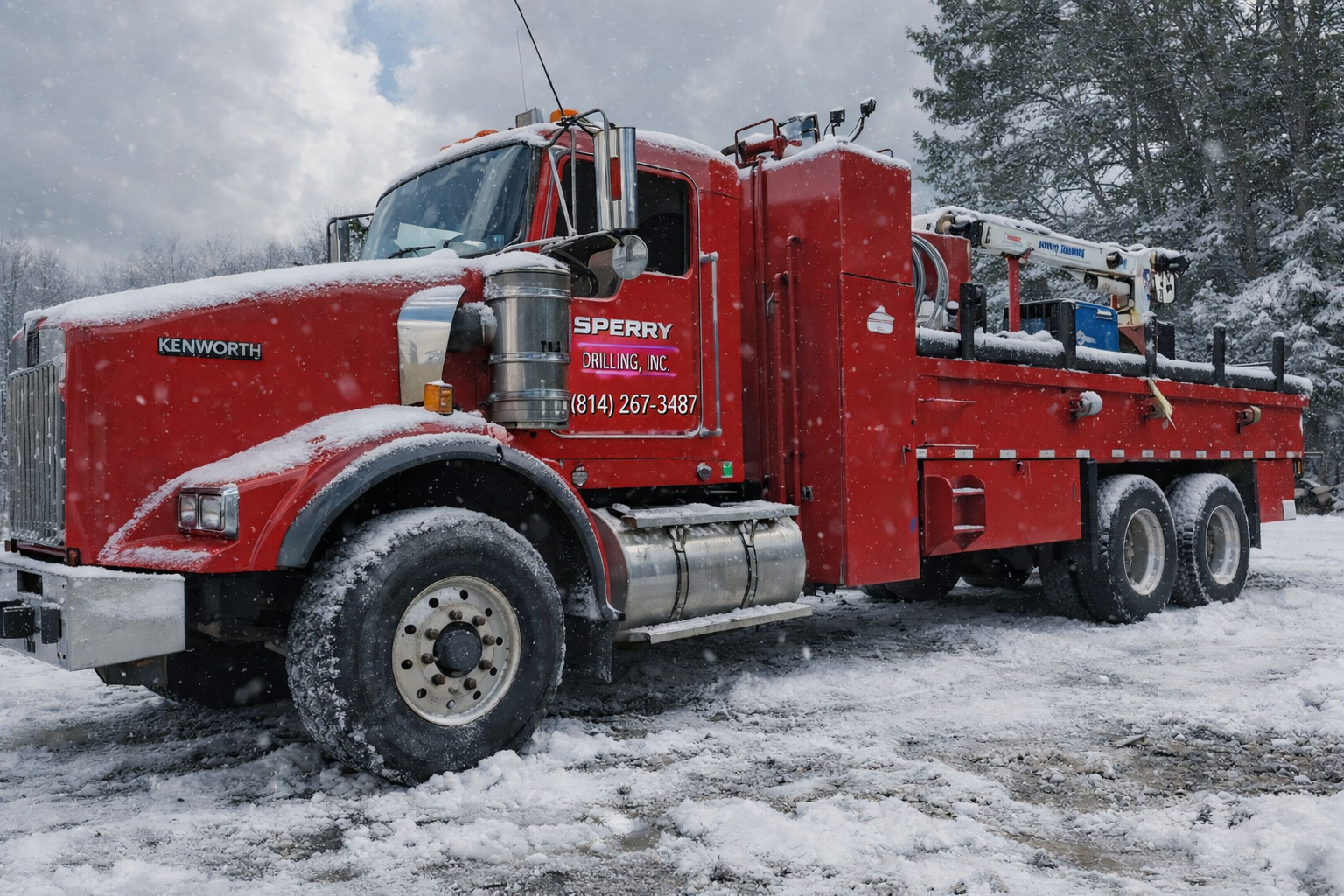
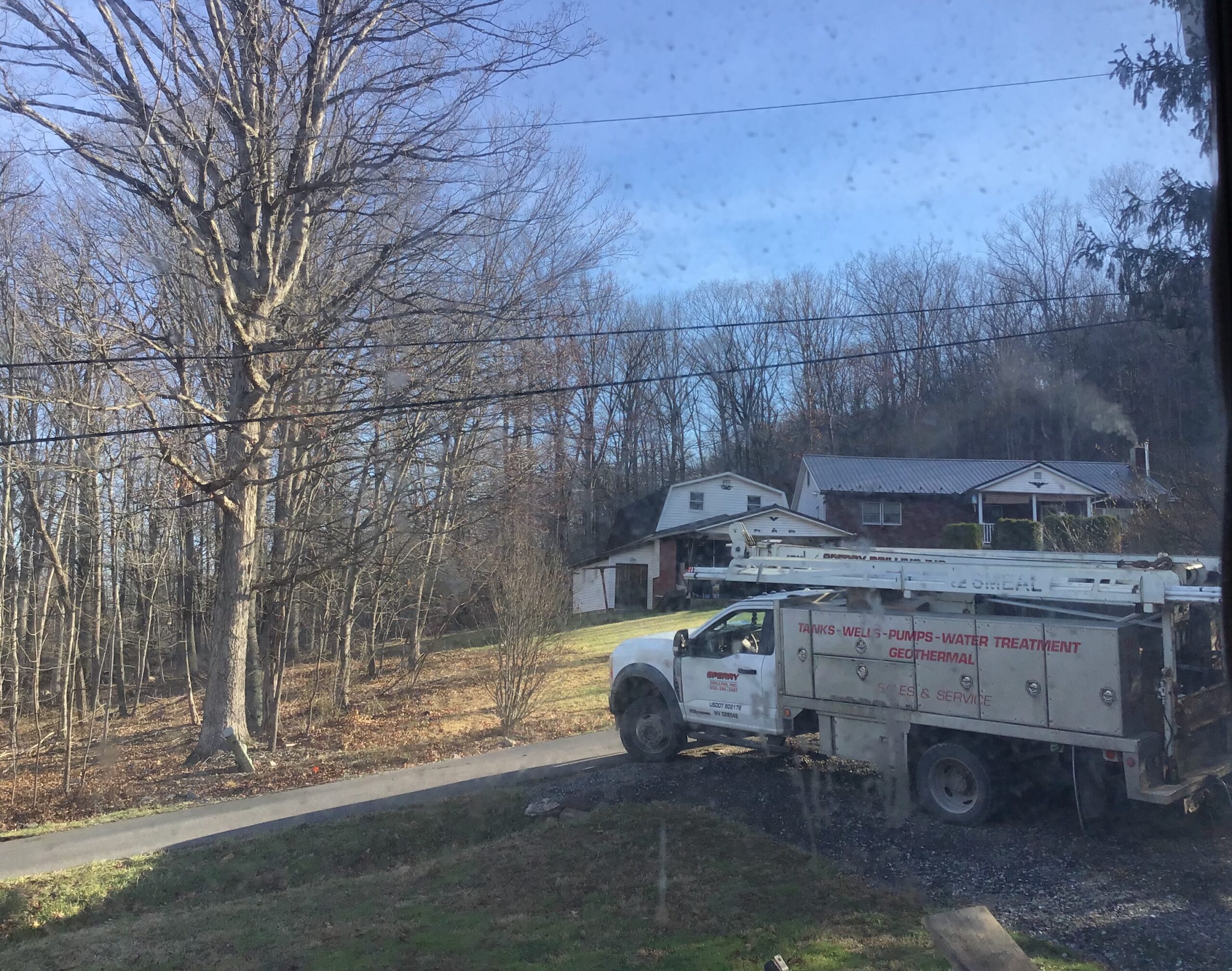
At Sperry Drilling Inc., residential and commercial wells are designed around the needs of the individual property rather than a one-size-fits-all approach.

Water Demand Is Usually the Biggest Difference
A residential well typically serves a household’s everyday needs, including:
- Drinking and cooking
- Showers and bathrooms
- Laundry and dishwashing
- Outdoor faucets
- Lawn or garden watering
A commercial property may need substantially more water depending on how the building or site is used.
Commercial demand can include:
- Multiple bathrooms and sinks
- Employees and customers
- Equipment or process water
- Agricultural or livestock needs
- Irrigation or other high-volume uses
Because of this, required flow rate and peak demand are important considerations when designing a commercial system.
Well Depth Is Determined by the Site, Not Simply the Property Type
It’s easy to assume commercial wells are always deeper than residential wells, but that’s not necessarily the case.
Well depth depends primarily on:
- Local geology
- Groundwater conditions
- Elevation
- Water-producing formations
- Required yield
A residential property may require a deep well because of local rock and groundwater conditions, while a commercial property may encounter adequate water at a shallower depth.
The difference is often less about depth alone and more about whether the completed well can provide the volume and reliability required by the property.
Commercial Projects May Require Greater System Capacity
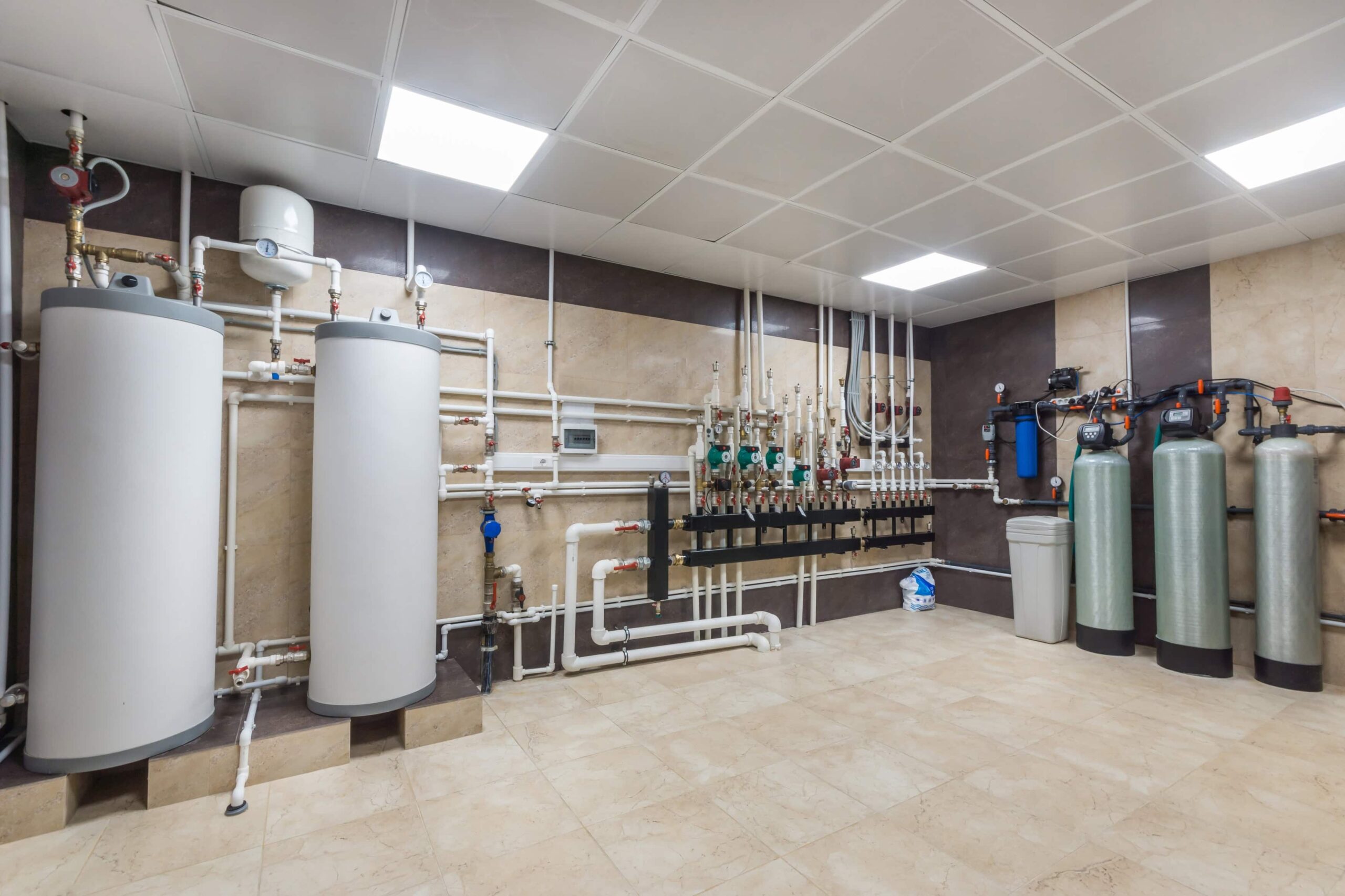
The well itself is only one part of a complete water system. Pumps, tanks, controls, piping, and other components must also be sized around expected water demand.
A typical residential system may be designed around normal household use. A commercial system could require:
- Higher-capacity pumps
- Larger or additional water tanks
- Different pressure requirements
- More extensive piping
- Additional controls
Proper system sizing is critical. Equipment that cannot keep up with demand may result in poor pressure and excessive pump operation, while incorrectly sized equipment can contribute to inefficient operation or premature wear.
Sperry Drilling provides drilling, pump, tank, and water treatment services, allowing these parts of the water system to be considered together.
Site Planning Can Be More Complex for Commercial Wells
Every drilling project requires sufficient access for drilling equipment, but commercial properties often introduce additional logistical considerations.
These may include:
- Larger buildings or developed areas
- Parking lots and traffic
- Underground utilities
- Existing infrastructure
- Construction schedules
- Access restrictions
Residential projects require careful planning as well, particularly around septic systems, property boundaries, landscaping, and existing structures.
In either case, evaluating the site before drilling helps determine an appropriate location and reduces the likelihood of unexpected complications.

Permitting and Water Requirements Can Differ
Permitting and regulatory requirements vary according to location and the intended use of the well.
A private residential well and a commercial water supply may not always fall under the same requirements. Larger systems or wells serving the public can be subject to additional standards depending on the property and jurisdiction.
That makes it important to determine applicable requirements before drilling begins, particularly for a commercial project.
Sperry Drilling is licensed in Pennsylvania, Maryland, and West Virginia and provides state-compliant drilling throughout its service area.
How Do Residential and Commercial Well Drilling Costs Compare?
There is no universal price for either type of well.
For both residential and commercial projects, costs can be influenced by:
- Drilling depth
- Soil and rock formations
- Amount of casing required
- Site accessibility
- Pump and tank requirements
- Required water capacity
- Water testing or treatment needs
Commercial projects may cost more when greater capacity or more complex infrastructure is required, but property type alone does not determine the final price.
A site-specific evaluation provides a much more useful estimate than relying on an average cost.
For a closer look at pricing factors, read our guide to Understanding the Cost of Drilling a Water Well in Pennsylvania.
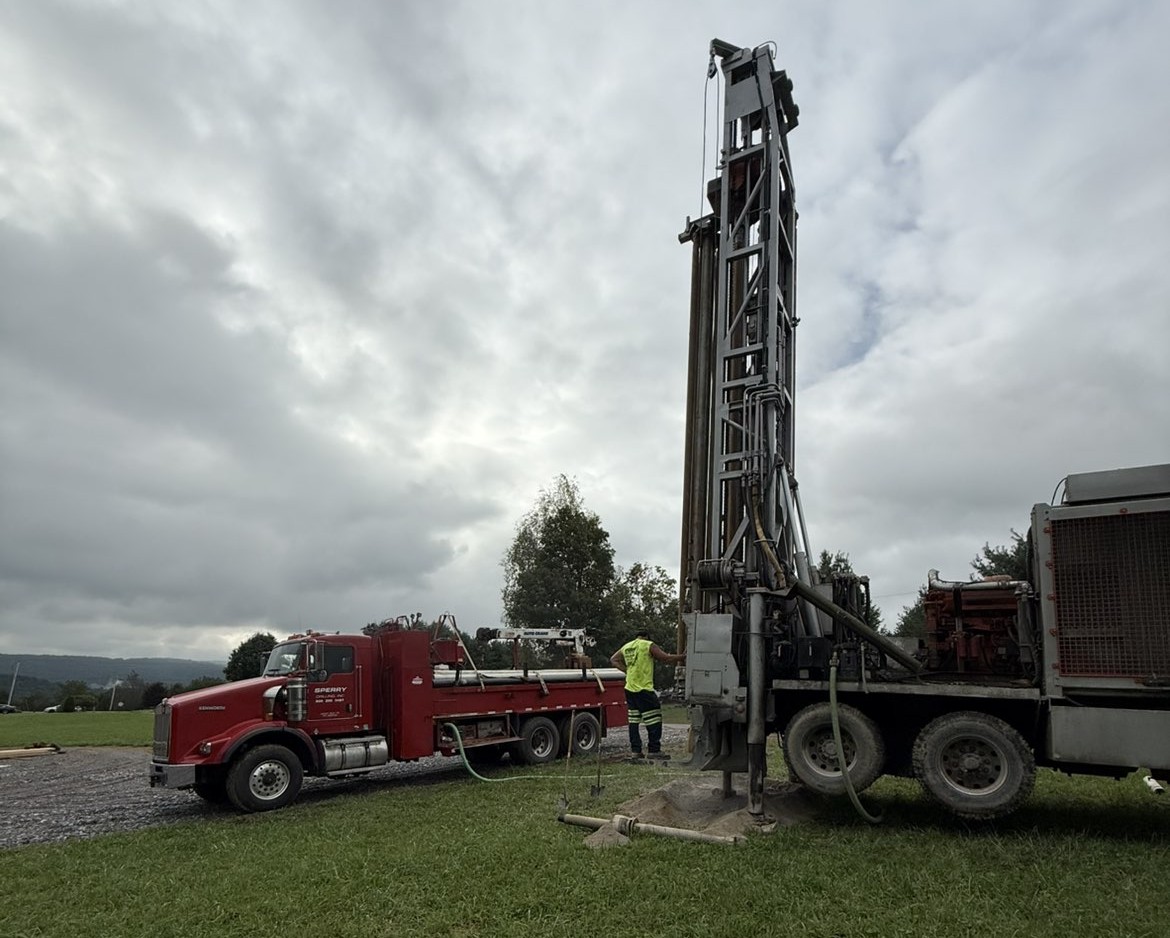
Plan Your Residential or Commercial Well with Sperry Drilling
Whether you need dependable water for a home, farm, or business, proper planning is the foundation of a reliable well system. Sperry Drilling Inc. provides residential and commercial well drilling tailored to the needs of each property, backed by more than 55 years of experience and an NGWA-certified team serving Pennsylvania, Maryland, and West Virginia.
Call (814) 267-3487 or contact Sperry Drilling online to discuss your property, water requirements, and well drilling project today.