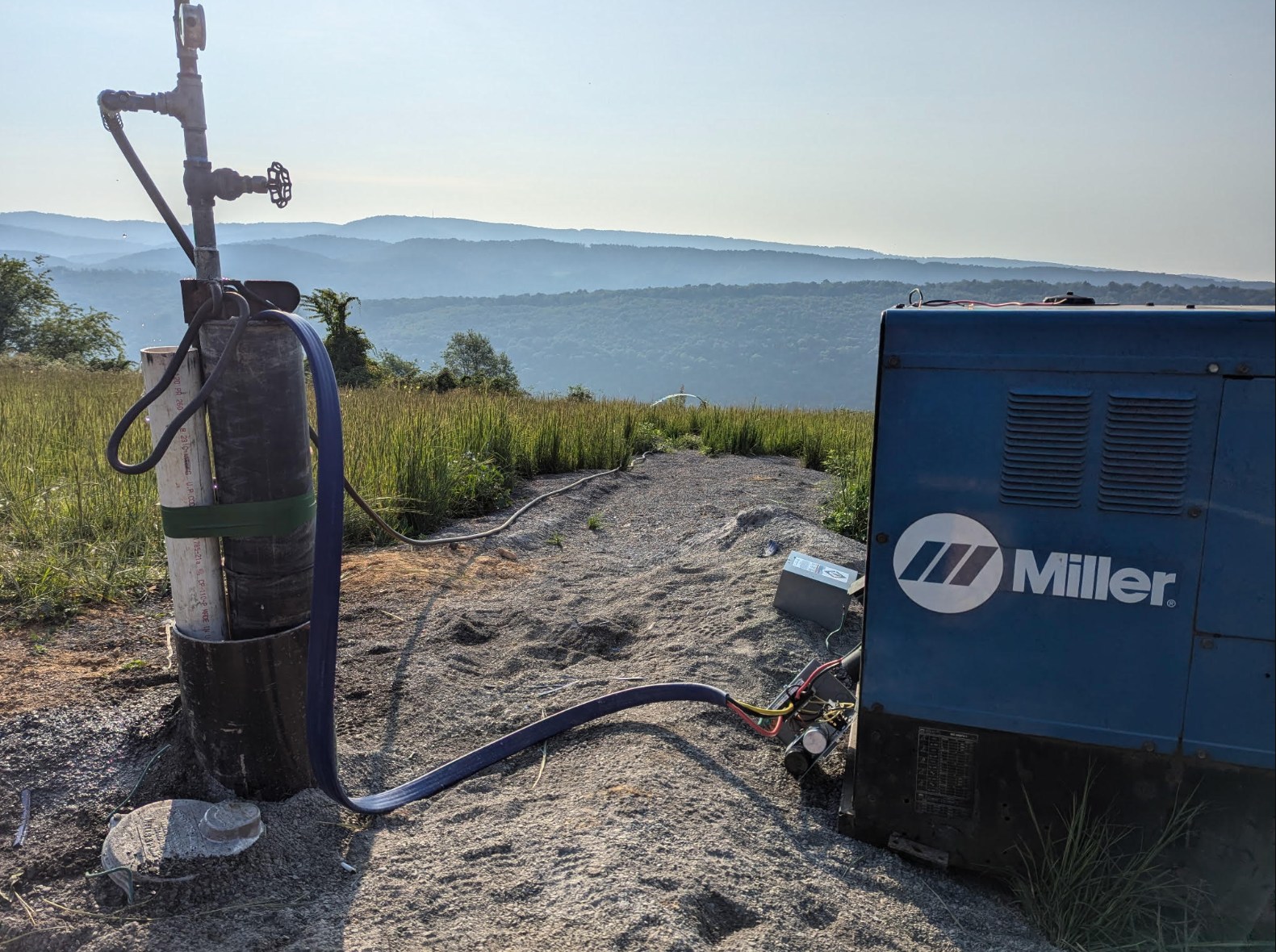
Spring and summer are ideal seasons to install a geothermal heating and cooling system. With favorable weather conditions and longer daylight hours, homeowners can complete drilling and installation before peak heating or cooling demand hits.
But geothermal installation requires planning. From site preparation and permits to drilling logistics and budget expectations, proper preparation ensures a smooth, efficient project.
Here’s what you need to know before starting your geothermal installation.
Understand Your Property’s Suitability
Before installation begins, your property must be evaluated to determine the most appropriate loop configuration.
Geothermal systems typically use either:
- Vertical loop systems (drilled deep into the ground)
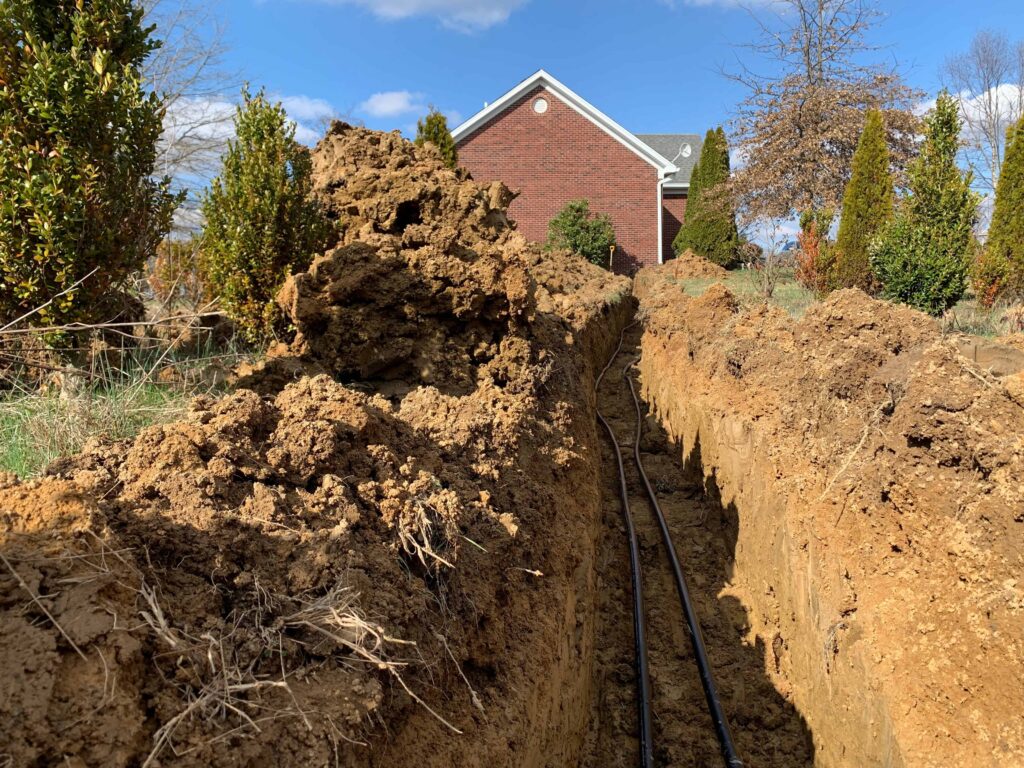
- Horizontal loop systems (installed in trenches across larger areas)
- Open-loop systems (using groundwater from an existing well)
The best option depends on:
- Available land area
- Soil and rock conditions
- Water table depth
- Access for drilling equipment
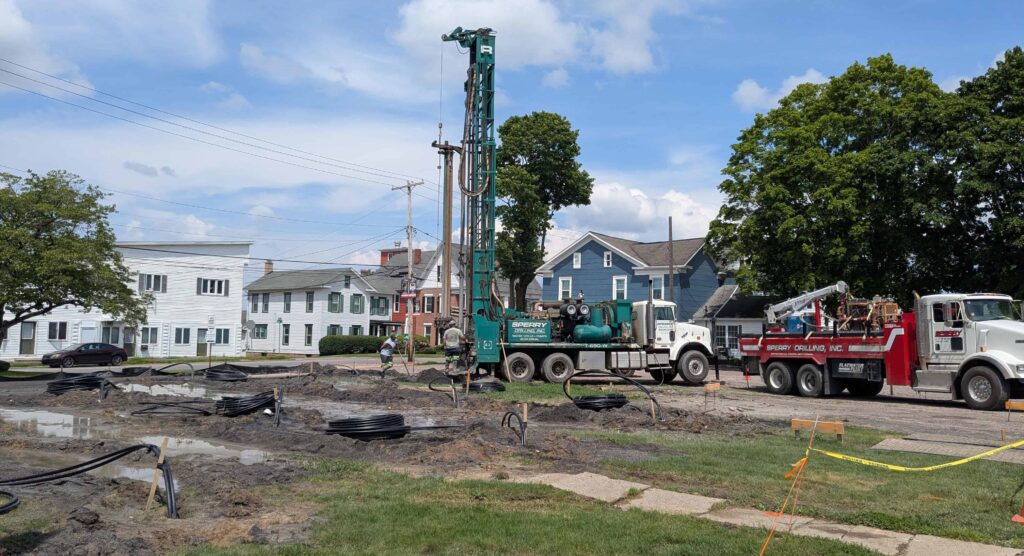
Sperry Drilling Inc. specializes in geothermal heat pump drilling, ensuring the loop system is properly designed and installed for long-term efficiency.
Check Local Permits and Regulations
In Pennsylvania, geothermal drilling may require:
- Local township permits
- Compliance with setback requirements
- Environmental considerations for open-loop discharge
Permit requirements vary by municipality, so it’s important to work with a contractor familiar with local codes.
A professional drilling contractor can help navigate:
- Site approvals
- Required documentation
- Well or borehole reporting
Proper permitting prevents delays and ensures your installation complies with state and local regulations.
Prepare for Drilling Access and Site Work
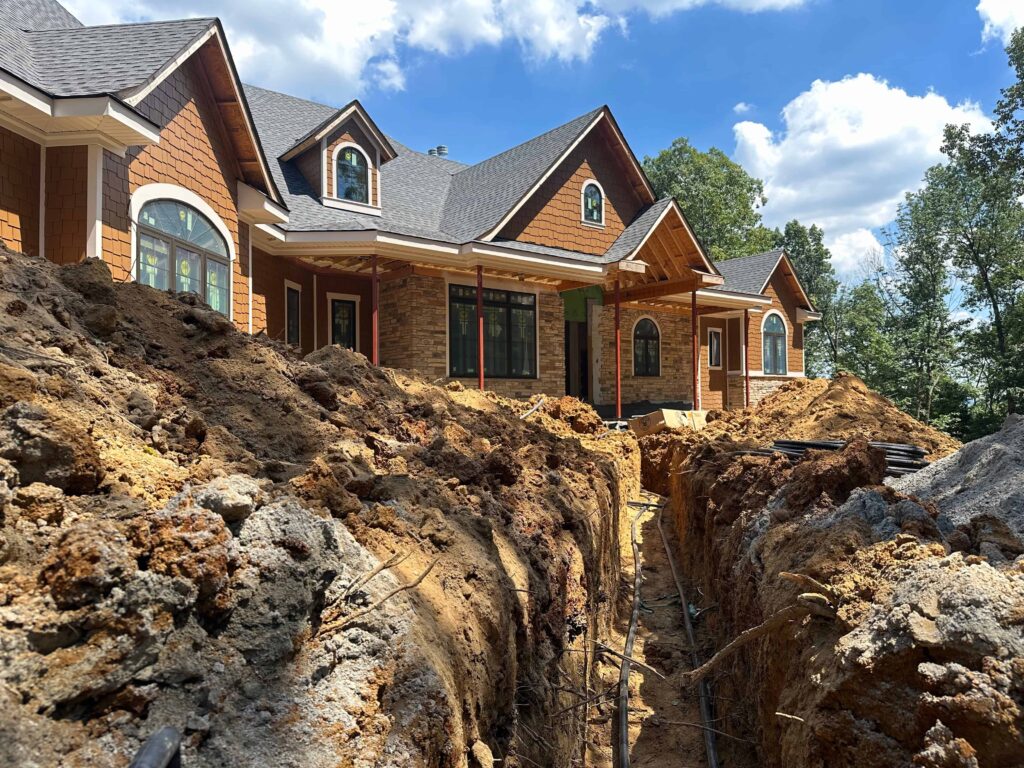
Geothermal installation involves specialized drilling equipment. Preparing your property ahead of time can prevent disruptions.
Homeowners should:
- Clear access paths for drilling rigs
- Remove vehicles, landscaping features, or obstacles
- Identify underground utilities
- Discuss septic and well locations with the contractor
Vertical loop systems require boreholes that may extend 100–400 feet deep, depending on system size and energy demands.
Proper site planning minimizes landscape disruption and helps keep the project on schedule.

Understand Installation Costs and Incentives
Geothermal systems have higher upfront costs compared to traditional HVAC systems, but the long-term savings are substantial.
Cost factors include:
- Type of loop system
- Drilling depth
- Soil and rock conditions
- Size of the home
- Equipment selection
While costs vary, geothermal systems typically provide:
- 30–60% energy savings
- Reduced monthly utility bills
- Long equipment lifespan (20–25 years indoors; 50+ years for loop systems)
Homeowners may also qualify for:
- Federal geothermal tax credits
- Local rebates or utility incentives
Planning your installation in advance allows you to take full advantage of seasonal scheduling and financial incentives.
Plan for Long-Term Efficiency
A properly installed geothermal system requires minimal maintenance but benefits from periodic inspections.
To protect your investment:
- Schedule routine performance checks
- Monitor system pressure and flow
- Ensure heat pump servicing is completed as recommended
Choosing an experienced geothermal drilling contractor is key to long-term reliability.
Learn more about Sperry Drilling’s geothermal drilling services here: https://sperrydrillinginc.com/well-services/geothermal-heat-pump-drilling/
Prepare Now for a Smooth Geothermal Installation With Sperry Drilling Inc.
If you’re planning a geothermal installation this spring or summer, preparation starts now. At Sperry Drilling Inc., we provide professional geothermal heat pump drilling services backed by over 55 years of experience serving Pennsylvania, Maryland, and West Virginia.
Call (814) 267-3487 or contact us online to schedule a consultation and start preparing your property for a clean, energy-efficient geothermal system.